Enterprise Travel Management A Comprehensive Guide
Enterprise travel management is crucial for modern businesses. It encompasses the entire spectrum of travel arrangements, from booking flights and hotels to expense reporting and policy management. Effective travel management systems streamline operations, optimize costs, and enhance compliance. This guide dives deep into the intricacies of ETM, exploring its key functionalities, common challenges, and emerging trends.
This comprehensive overview will cover the essential aspects of enterprise travel management, from the basics to the advanced strategies. Understanding the various components of an ETM system and its integration with other business functions is critical for success. We’ll also analyze the challenges faced by businesses in implementing ETM and provide practical solutions.
Overview of Enterprise Travel Management
Enterprise Travel Management (ETM) systems are sophisticated software solutions designed to streamline and optimize all aspects of corporate travel. These systems go beyond basic expense tracking, encompassing a comprehensive suite of tools for managing every stage of the travel process, from initial planning to final reimbursement. ETM solutions are crucial for businesses of all sizes, helping them control costs, enhance employee satisfaction, and ensure compliance with company policies.
ETM systems offer a centralized platform for managing travel itineraries, booking flights, hotels, and other travel arrangements. They integrate with various third-party providers, offering businesses a wide array of options for securing the best possible deals. This integration significantly reduces the time and effort spent on individual travel arrangements, allowing travel managers to focus on strategic initiatives.
Key Functionalities of an ETM System
ETM systems provide a wide range of functionalities. These include automated booking, real-time pricing comparisons, and comprehensive reporting capabilities. The core functionalities empower businesses to gain greater control over their travel spend.
- Automated Booking: ETM systems automate the booking process for flights, hotels, and rental cars, eliminating manual tasks and reducing errors. This automation saves significant time for travel managers and employees.
- Real-time Pricing Comparisons: These systems provide access to real-time pricing data from multiple providers, allowing businesses to identify the best deals for their travel needs. This feature is vital for cost optimization.
- Expense Reporting and Management: ETM systems offer comprehensive expense reporting and management tools. These tools streamline the entire process from submitting expense reports to final reimbursement.
- Policy Enforcement: ETM systems enforce company travel policies, ensuring compliance with regulations and reducing potential risks.
- Reporting and Analytics: These systems provide detailed reports and analytics on travel spending, allowing businesses to track trends, identify areas for cost savings, and make informed decisions.
Benefits of Implementing an ETM System
Implementing an ETM system offers numerous benefits for businesses. These systems enhance efficiency, control costs, and improve employee satisfaction.
- Cost Savings: By providing access to real-time pricing comparisons and negotiated rates, ETM systems can significantly reduce travel costs. Businesses can identify potential savings and negotiate better deals.
- Increased Efficiency: Automating the travel booking and expense reporting processes frees up valuable time for travel managers and employees. This increased efficiency leads to improved productivity and reduces administrative overhead.
- Improved Compliance: ETM systems help businesses maintain compliance with company travel policies, regulations, and industry standards.
- Enhanced Employee Satisfaction: Simplified booking procedures and streamlined expense reports contribute to a more positive travel experience for employees. This can improve morale and reduce stress associated with travel arrangements.
Examples of ETM Solutions
Several ETM solutions are available in the market, catering to various business needs and budgets. Some popular choices include Concur, SAP Concur, and others.
- Concur: A widely recognized ETM solution, known for its robust features and comprehensive reporting capabilities. Concur offers a variety of integrations, ensuring compatibility with existing business systems.
- SAP Concur: Part of the SAP suite, this ETM solution offers a centralized platform for managing travel, expense, and procurement processes.
- Other Solutions: Numerous other ETM solutions are available in the market, each with its own set of features and pricing models. Factors like the size of the business, the complexity of travel policies, and budget constraints should influence the choice of the ETM solution.
Comparison of ETM Software Options
The following table compares and contrasts various ETM software options.
| Software Name | Key Features | Pricing | Customer Reviews |
|---|---|---|---|
| Concur | Automated booking, expense reporting, policy enforcement, robust reporting | Typically tiered pricing based on user volume and features | Generally positive, highlighting ease of use and comprehensive functionality |
| SAP Concur | Centralized platform for travel, expense, and procurement | Variable pricing, often part of a larger SAP suite | Positive feedback regarding integration with existing SAP systems |
| Travelport | Wide range of travel options and integrations | Often customized pricing based on business requirements | Mixed reviews, some users praise the flexibility but others express complexity |
| Sabre | Extensive travel options, focus on airline and hotel partnerships | Customizable pricing, potentially higher costs for advanced features | Positive reviews for travel agencies and businesses requiring extensive airline partnerships |
Challenges and Trends in ETM
Enterprise Travel Management (ETM) systems are becoming increasingly sophisticated, offering businesses significant potential for cost savings and efficiency gains. However, implementing and optimizing these systems presents unique challenges. Understanding these hurdles and the emerging trends in the ETM industry is crucial for organizations seeking to leverage ETM to its fullest potential.
Common Challenges in Implementing ETM Systems
Organizations often face hurdles in the implementation and integration of ETM systems. These difficulties stem from various factors, including user adoption, data migration, and the need for comprehensive training. Resistance to change among employees accustomed to existing travel processes, lack of adequate training, and difficulties in seamlessly integrating legacy systems with new ETM platforms are common issues. Ensuring a smooth transition and high user adoption is essential for the successful implementation of ETM systems.
Emerging Trends in the ETM Industry
The ETM industry is continuously evolving, driven by advancements in technology and changing business needs. AI-powered tools for automated travel booking and expense reporting, personalized travel recommendations, and dynamic pricing optimization are some examples of these trends. Integration with other enterprise resource planning (ERP) systems and the rise of cloud-based ETM solutions are also significant trends, enhancing efficiency and accessibility. These innovations streamline travel processes, reduce manual effort, and improve overall travel management efficiency.
Impact of Technology on ETM Practices
Technology plays a pivotal role in shaping ETM practices. Mobile apps and web portals facilitate real-time travel booking and expense management, providing employees with greater control and flexibility. Integration with social media and other communication platforms can enhance the traveler experience and ensure efficient communication among stakeholders. Real-time data analytics, enabled by technology, allows for informed decision-making and optimization of travel policies and budgets. The integration of AI and machine learning algorithms enhances the precision of travel recommendations and expense reports, increasing accuracy and reducing manual intervention.
Role of Data Analytics in Optimizing ETM Processes
Data analytics is transforming ETM processes. By analyzing travel data, businesses can identify patterns and trends that reveal areas for cost reduction and improvement. For example, identifying frequent travel routes or destinations can help optimize travel itineraries and associated costs. Data-driven insights can also guide the development of more effective travel policies and budget allocations, ultimately enhancing the efficiency of the entire travel management process. Analyzing historical travel data can reveal areas where costs are inflated or inefficient processes exist.
Top 5 Challenges and Suggested Solutions for ETM
| Challenge | Description | Potential Solution | Implementation Strategy |
|---|---|---|---|
| User Adoption | Employees may resist using new ETM systems due to unfamiliarity or perceived complexity. | Comprehensive training programs, clear communication, and demonstrating the benefits of the system. | Develop a phased implementation plan, providing hands-on training and support to users. Highlight cost savings and increased efficiency through clear and concise presentations. |
| Data Migration | Transferring data from legacy systems to a new ETM platform can be complex and time-consuming. | Employing robust data migration tools and establishing clear data mapping strategies. | Conduct thorough data audits, validate data accuracy, and implement a phased data migration plan. Establish clear communication channels with stakeholders. |
| Integration with Existing Systems | Integrating the ETM system with other business systems (ERP, CRM) may present challenges. | Selecting systems with robust API integration capabilities. | Thoroughly evaluate the integration capabilities of the ETM solution. Engage with IT teams early to ensure seamless integration. |
| Maintaining Security | Protecting sensitive travel data from unauthorized access or breaches. | Implementing robust security protocols and adhering to industry best practices. | Implement strong access controls, regular security audits, and encryption protocols. Ensure compliance with relevant data privacy regulations. |
| Cost Optimization | Maximizing cost savings while maintaining quality and compliance. | Leveraging data analytics to identify cost-saving opportunities and negotiate favorable rates. | Implement dynamic pricing tools, negotiate contracts with travel providers, and monitor travel expenses closely. |
Travel Policy Management
Source: bizoforce.com
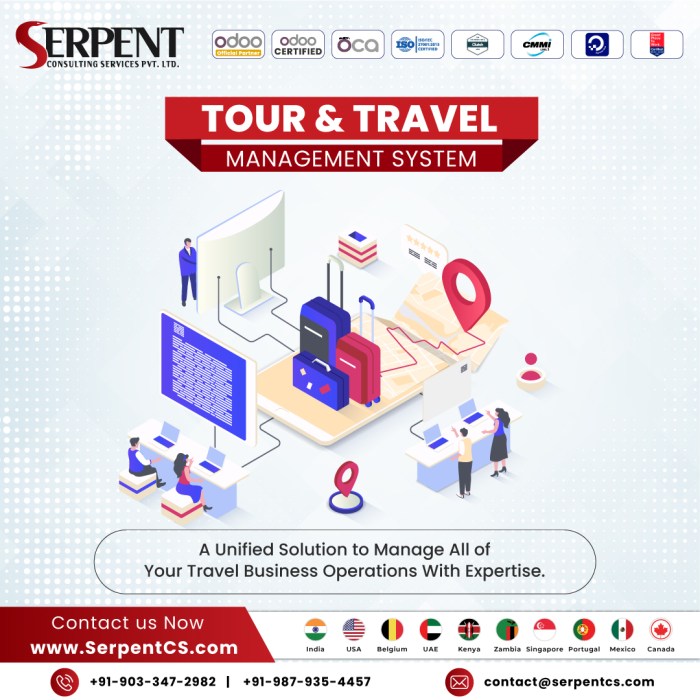
Effective travel management hinges on well-defined and consistently applied policies. These policies serve as a critical framework for cost control, compliance, and ensuring a smooth and secure travel experience for employees. A robust travel policy reduces the risk of errors and misuse of company resources, ultimately optimizing the travel program’s efficiency and impact on the bottom line.
Travel policies are more than just guidelines; they are integral to an enterprise travel management system (ETM). Properly implemented, they streamline processes, minimize costs, and ensure compliance with regulations and company standards. A comprehensive travel policy lays the groundwork for a successful and efficient ETM program.
Importance of Travel Policies in ETM
Travel policies are essential for controlling costs, maintaining compliance, and ensuring a safe and productive travel experience for employees. They provide clear guidelines for all aspects of travel, from booking to expense reporting, promoting consistent procedures and minimizing the potential for errors or misuse of company funds. This clarity reduces administrative burdens and improves overall efficiency.
Developing and Implementing a Robust Travel Policy
Developing a robust travel policy requires a multi-step approach, involving input from various stakeholders. A clear understanding of the company’s travel needs, regulatory requirements, and cost-saving opportunities is essential.
- Policy Development: Begin by defining the policy’s scope, objectives, and target audience. Consult with relevant departments (finance, legal, security) to ensure compliance with regulations and company standards. Define specific guidelines for booking, approval processes, expense reporting, and security measures.
- Stakeholder Engagement: Involve key personnel from different departments in the policy creation process. This ensures buy-in and promotes understanding and adherence to the policy across the organization. Feedback from employees who frequently travel can be particularly valuable.
- Policy Communication: Clearly communicate the policy to all employees, outlining procedures and expectations. Use various channels, such as email, intranet announcements, and training sessions, to ensure widespread understanding. Regular updates to the policy, as needed, are critical.
- Implementation and Monitoring: Establish a system for tracking policy adherence and promptly address any violations. Regular audits and evaluations of the policy’s effectiveness can lead to adjustments and improvements over time.
Impact on Cost Control and Compliance
Travel policies directly impact cost control and compliance. Clear guidelines for booking, expense reporting, and approvals ensure that travel expenditures are aligned with company budgets and regulations. This translates into significant cost savings and reduces the risk of financial irregularities.
- Cost Control: Well-defined policies enable businesses to negotiate better rates, choose appropriate transportation methods, and identify cost-saving opportunities within the travel process. Policies promoting efficient booking and pre-approval processes can drastically reduce unnecessary expenditures.
- Compliance: Policies ensure compliance with company regulations, industry standards, and applicable laws. They cover everything from expense reporting to safety guidelines, reducing legal risks and maintaining a positive reputation.
Examples of Travel Policies
Various types of policies are essential components of a comprehensive travel program.
- Expense Reporting Policy: This policy Artikels the procedures for submitting and approving expense reports, including required documentation, acceptable expenses, and deadlines.
- Trip Approval Policy: This policy defines the steps for approving business trips, including necessary justifications, pre-approval requirements, and reporting procedures.
- Security Policy: This policy addresses security measures for business travel, including emergency contact information, safety protocols, and guidelines for protecting sensitive information.
Key Components of a Travel Policy
A well-structured travel policy incorporates various components.
| Policy Area | Description | Guidelines | Enforcement |
|---|---|---|---|
| Booking | Procedures for booking travel arrangements | Specify preferred vendors, approved booking channels, and required information | Regular audits to monitor compliance and identify areas for improvement |
| Expense Reporting | Process for submitting and approving expense reports | Define acceptable expenses, required documentation, and deadlines | Internal controls and regular audits to ensure accuracy and compliance |
| Trip Approval | Requirements for approving business trips | Establish clear approval hierarchy, required justifications, and pre-approval steps | Monitoring compliance through automated systems and internal reviews |
| Security | Measures for ensuring employee safety during travel | Establish emergency contact procedures, safety guidelines, and procedures for reporting incidents | Regular training and communication to reinforce security protocols |
Expense Reporting and Reimbursement
Source: clock.ae
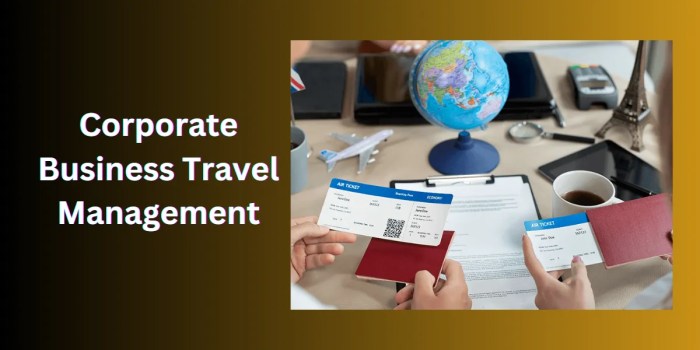
Expense reporting and reimbursement are critical components of any enterprise travel management system (ETM). A well-structured process ensures accurate financial tracking, facilitates timely reimbursements, and minimizes potential errors. Effective expense reporting also provides valuable data for future travel planning and policy adjustments.
Expense Reporting Process within ETM Systems
ETM systems streamline the expense reporting process, enabling employees to submit receipts and details electronically. This digital approach eliminates the need for paper-based forms and manual data entry, reducing processing time and potential human error. The systems typically provide a centralized platform for employees to record expenses, attach supporting documents, and track the status of their reimbursement requests.
Different Expense Reporting Methods and Their Advantages
Various expense reporting methods exist, each with its own advantages. A common method involves employees using a mobile app to capture expenses in real-time, including photos of receipts. This approach offers convenience and allows for immediate data entry, minimizing the delay in processing. Alternatively, some systems offer a web-based portal for submitting reports, which might be preferred by employees who prefer desktop access. Each method caters to different user preferences and workflows.
Importance of Accurate Expense Reporting for Financial Management
Accurate expense reporting is paramount for effective financial management. Inaccurate reports can lead to significant discrepancies in financial records, impacting budgeting, forecasting, and auditing processes. Moreover, discrepancies can result in delays in reimbursements, potentially impacting employee morale. Accurate data ensures that the company’s financial statements accurately reflect its travel expenditures.
Comparison of Expense Report Submission Methods
Several methods for submitting expense reports exist. Employees can use a mobile app for real-time expense tracking and submission, or they can access a web-based portal for a more comprehensive interface. The choice depends on the employee’s preference and the ETM system’s capabilities. Some systems may offer both options for flexibility. Mobile apps are often preferred for their ease of use, while web-based portals can offer more advanced features for complex reporting needs.
Expense Reimbursement Process Steps
The expense reimbursement process typically follows a series of steps. The table below Artikels a standard process, noting the necessary documents and timeframe for each step.
| Step | Description | Documents Required | Timeframe |
|---|---|---|---|
| 1 | Employee submits expense report through the ETM system. | Expense report form, receipts, supporting documentation. | Within 24-48 hours of travel |
| 2 | Travel administrator reviews the report and supporting documents for completeness and accuracy. | Expense report, receipts, supporting documentation, potentially policy guidelines. | 1-3 business days |
| 3 | Travel administrator approves or requests clarifications. | Expense report, receipts, supporting documentation, potentially policy guidelines. | 1-5 business days (depending on policy and volume) |
| 4 | Finance department processes the reimbursement. | Approved expense report, receipts, supporting documentation, potentially tax forms. | 5-10 business days |
| 5 | Employee receives the reimbursement. | Reimbursement confirmation | 1-3 business days |
Travel Booking and Procurement

Source: g2.com
Enterprise Travel Management (ETM) systems are integral to modern business operations, facilitating seamless and efficient travel arrangements. These systems play a crucial role in optimizing travel spend, adhering to company policies, and enhancing the overall travel experience for employees. A robust ETM solution streamlines the entire travel process, from initial booking to expense reporting, and is a key component of any well-managed business.
ETM systems provide a centralized platform for managing all aspects of employee travel, from booking flights and hotels to managing expenses. This centralized approach allows companies to gain greater control over travel costs and ensure compliance with company policies. By automating and streamlining the process, ETM systems reduce manual effort, minimize errors, and improve overall efficiency.
Booking Functionalities within ETM Systems
ETM systems offer comprehensive functionalities for booking various travel arrangements. These systems integrate with various third-party providers, enabling users to search for and book flights, hotels, rental cars, and other travel-related services from a single platform. Users can leverage advanced search filters to find the most suitable options based on their needs and preferences. These features typically include flexible date ranges, price comparisons, and real-time availability checks. The integration of multiple booking channels into a single system enhances the overall user experience and reduces the time required for booking.
Streamlining Procurement with ETM Systems
ETM systems significantly streamline the procurement process by centralizing all travel-related activities. By consolidating the booking process within a single platform, ETM systems eliminate the need for multiple communication channels and manual data entry. This results in significant time savings and reduced administrative overhead. Moreover, ETM systems can be configured to enforce company travel policies, ensuring compliance and minimizing risks associated with unauthorized or excessive travel expenses.
Utilizing Travel Agents or Booking Platforms
ETM systems often integrate with travel agents or online booking platforms. This integration allows users to leverage the expertise of travel professionals while maintaining control over the booking process within the ETM system. This approach provides access to a broader range of options and potential cost savings, but it requires careful management to ensure compliance with company policies.
Comparison of Booking Methods
Different ETM platforms offer diverse booking methods, catering to varying organizational needs and preferences. The choice of booking method often depends on factors such as company policy, budget constraints, and desired level of control. The following table provides a comparison of different booking options.
| Booking Type | Features | Cost | Advantages |
|---|---|---|---|
| Direct Booking (within ETM) | Simplified booking process, centralized control, enhanced visibility, potential for negotiated rates. | Potentially lower cost due to direct contracts, or higher cost depending on the ETM platform. | Improved control over travel arrangements, streamlined process, better compliance with company policies. |
| Travel Agent Booking (through ETM) | Access to specialized expertise, potentially wider range of options, negotiation support. | May involve commission fees, or fixed rates negotiated with the travel agent. | Potential for cost savings through negotiation and expertise, access to a wider range of travel options. |
| Third-Party Booking Platform | Variety of options and pricing, independent search capability, flexibility in booking. | Typically higher costs compared to direct bookings, potential for additional fees. | Greater flexibility and choice, wider range of options. |
Reporting and Analytics
Enterprise Travel Management (ETM) systems go beyond simply booking trips. They provide robust reporting and analytics capabilities to offer deep insights into travel spending, enabling businesses to optimize budgets and improve travel policies. This data-driven approach allows for proactive identification of areas for cost reduction and enhanced travel experiences for employees.
ETM systems leverage a wealth of data from various sources, such as booking platforms, expense reports, and travel policies. This data is then processed and presented in a user-friendly manner through various reports and visualizations.
ETM Report Generation
ETM systems generate reports on travel spending by aggregating data from different sources. This includes details like flight costs, accommodation expenses, transportation, and other associated fees. The reports often incorporate filters and parameters to drill down into specific data points, providing a granular view of spending patterns. These reports allow administrators and decision-makers to track travel costs, identify trends, and monitor compliance with travel policies.
Data Visualization in ETM Systems
Data visualization tools in ETM systems are crucial for presenting complex travel data in a clear and understandable format. Interactive dashboards and charts allow users to quickly grasp key insights and trends in travel spending. For example, bar graphs can visually display the cost of travel by region or department, while line graphs can demonstrate the evolution of spending over time. This visual representation helps in identifying potential areas of cost savings and policy adjustments.
Optimizing Travel Budgets with Analytics
Analytics in ETM systems can be used to proactively optimize travel budgets. By identifying patterns and anomalies in spending, businesses can pinpoint areas for cost reduction without compromising employee experience. For instance, if reports reveal a consistent overspending in certain regions or for specific types of travel, the system can provide recommendations for adjusting policies or re-evaluating the chosen vendors. By using these analytics, organizations can maintain a more strategic and cost-effective approach to their travel programs.
Examples of ETM System Reports
Common reports generated by ETM systems include:
- Travel Spending by Department: This report provides a breakdown of travel costs for each department, allowing for department-specific budget monitoring and potential cost optimization strategies.
- Travel Spending by Region: This report displays travel costs across different geographical locations, enabling analysis of travel expenses based on region-specific factors, like fluctuating exchange rates or varying transportation costs.
- Expense Report Analysis: This report analyzes expense reports, highlighting any discrepancies or inconsistencies with company policies, helping to prevent fraudulent activities and maintain compliance.
- Travel Policy Compliance Report: This report assesses adherence to travel policies by employees. This helps identify areas requiring policy clarification or training and enhances compliance with the set guidelines.
Different Types of ETM Reports
The following table demonstrates various types of reports and their respective applications.
| Report Type | Purpose | Data Sources | Actions |
|---|---|---|---|
| Travel Spending by Department | Analyze departmental travel costs and identify potential savings. | Booking system, expense reports | Adjust budgets, re-evaluate travel policies, renegotiate contracts. |
| Travel Spending by Region | Identify cost variations across different regions. | Booking system, currency exchange rates, transportation costs. | Adjust travel guidelines, select vendors, analyze economic factors. |
| Expense Report Anomalies | Detect inconsistencies and potential fraudulent activities in expense reports. | Expense reports, travel policies, employee profiles. | Investigate discrepancies, update policies, enhance security protocols. |
| Policy Compliance Report | Monitor employee adherence to travel policies. | Booking system, expense reports, policy documents. | Provide training, clarify policies, implement corrective actions. |
Integration with Other Systems
Enterprise travel management (ETM) systems are no longer isolated islands of functionality. Their effectiveness hinges on seamless integration with other crucial business applications. This interconnectedness streamlines workflows, improves data accuracy, and provides a holistic view of travel and expense processes within an organization.
Importance of Integration
Integrating ETM systems with other business applications like human resources (HR), accounting, and procurement is vital for achieving a complete and accurate view of travel-related activities. This integrated approach reduces manual data entry, minimizes errors, and improves overall operational efficiency. A unified system allows for automated data exchange, eliminating the need for repetitive tasks and enabling real-time information access.
Integration Process
The integration process typically involves establishing data exchange protocols and interfaces between the ETM system and other applications. This may include using Application Programming Interfaces (APIs) to facilitate communication and data transfer. Careful planning and testing are crucial to ensure a smooth transition and minimize disruption to existing workflows. Specific implementation steps vary depending on the chosen ETM and the integrated systems, but generally involve configuring data mappings, defining access permissions, and establishing data validation rules. For example, integrating with an HR system might involve automatically pulling employee information for travel authorizations, while integrating with accounting systems enables automatic expense reporting and reimbursement processing.
Successful Integration Examples
Numerous organizations have successfully integrated their ETM systems with other critical applications. Companies using cloud-based ETM solutions often find seamless integration with cloud-based HR and accounting systems easier to implement. A major benefit is the ability to track travel expenses and reimbursements directly through the integrated system, eliminating the need for separate spreadsheets or manual processes. This allows for a more accurate and efficient reconciliation of travel expenses. Furthermore, automated expense reporting and approval workflows reduce the time needed for reimbursements, improving employee satisfaction and reducing administrative burden.
Benefits of Seamless Integration, Enterprise travel management
Seamless integration offers a multitude of benefits for businesses. Reduced manual data entry and processing errors lead to increased accuracy. Improved data visibility and real-time reporting provide a more holistic understanding of travel spend and costs. Automated workflows streamline processes, accelerate reimbursements, and free up staff time for other critical tasks. Integration with procurement systems can automate travel bookings, optimize pricing, and reduce overall travel costs.
Potential Integrations and Benefits
| System | Integration Type | Benefits | Challenges |
|---|---|---|---|
| HR | Employee data synchronization, travel policy enforcement | Automated authorization, reduced manual effort, improved compliance | Data security concerns, potential for conflicting data |
| Accounting | Automated expense reporting, reimbursement processing | Real-time expense tracking, reduced processing time, improved accuracy | Data format discrepancies, potential for system incompatibility |
| Procurement | Travel booking integration, supplier management | Optimized travel costs, automated procurement processes, improved negotiation leverage | Vendor integration complexity, data standardization issues |
| CRM | Booking and contact information sharing | Personalized travel experiences, improved customer service | Data privacy concerns, system integration complexity |
Security and Compliance
Robust security and adherence to compliance regulations are paramount in enterprise travel management (ETM) systems. Protecting sensitive traveler data, financial transactions, and adhering to industry standards is crucial for maintaining trust and avoiding costly penalties. A comprehensive security framework ensures data integrity, confidentiality, and availability.
Importance of Security in ETM Systems
Protecting sensitive traveler data, financial transactions, and complying with regulations is critical in ETM systems. Compromised data can lead to significant financial losses, reputational damage, and legal ramifications. A strong security posture is essential for building and maintaining trust with travelers, partners, and stakeholders. Moreover, data breaches can result in hefty fines and penalties, impacting the bottom line.
Security Protocols and Measures in ETM Solutions
Implementing robust security protocols and measures is essential in ETM solutions. These measures protect sensitive data and ensure compliance with regulations. ETM systems should employ encryption to protect data both in transit and at rest. Multi-factor authentication (MFA) adds an extra layer of security, making it harder for unauthorized access. Regular security audits and penetration testing are vital to identify and address vulnerabilities proactively. Access controls, restricting access to sensitive data based on user roles and permissions, are another crucial element.
Compliance Requirements and Standards for Travel Management
Compliance with relevant regulations and standards is essential for travel management. These regulations often address data privacy, financial reporting, and security. Regulations like GDPR (General Data Protection Regulation) and CCPA (California Consumer Privacy Act) dictate how organizations handle personal data. Financial reporting regulations necessitate meticulous record-keeping and transparency in expense reporting processes. Industry standards, such as those set by ISO, often define best practices for security and data management.
Ensuring Data Security and Privacy
Data security and privacy are fundamental to any ETM system. Implementing strong encryption protocols, using secure storage solutions, and adhering to strict access control measures are crucial. Regular security awareness training for employees is essential to prevent phishing attacks and other social engineering tactics. Anonymizing data wherever possible and complying with data minimization principles can enhance security and privacy. The system should facilitate secure data sharing with travel partners.
Best Practices in Security and Compliance for ETM Systems
Best practices in security and compliance for ETM systems include implementing strong access controls, regular security audits, and employee training programs. Data encryption and secure storage solutions should be prioritized. Regularly updating security protocols and systems to address emerging threats is essential. Collaboration with security experts and legal counsel is crucial to ensure the system remains compliant.
Security Measures and Compliance Standards
| Measure | Description | Implementation | Verification |
|---|---|---|---|
| Data Encryption | Protecting sensitive data during transit and storage | Implement end-to-end encryption for data transfer and storage. | Regular audits to verify encryption strength and usage. Penetration testing. |
| Multi-Factor Authentication (MFA) | Adding extra security layers to user accounts | Require MFA for all user logins. | Monitor authentication logs and user activity. |
| Regular Security Audits | Identifying and mitigating vulnerabilities | Conduct regular security audits, including penetration testing. | Document findings and implement corrective actions. |
| Access Controls | Restricting access based on user roles and permissions | Implement role-based access controls. | Regularly review and update access control lists. Monitor user activity. |
| Compliance Training | Educating employees on security best practices | Provide regular security awareness training to employees. | Evaluate employee understanding through quizzes and assessments. |
Final Wrap-Up: Enterprise Travel Management
In conclusion, enterprise travel management is more than just booking trips; it’s a strategic imperative for businesses seeking to optimize travel expenditures, enhance employee experience, and maintain regulatory compliance. By implementing robust ETM systems and policies, companies can achieve significant cost savings, improve operational efficiency, and foster a more organized and compliant travel process. This guide has provided a thorough understanding of the various aspects involved, empowering businesses to make informed decisions regarding their travel management strategies.