Corporate Travel Expense Software Streamlined Solutions
Corporate travel expense software is revolutionizing how businesses manage and track travel expenses. It automates the entire process, from booking flights and hotels to submitting and approving receipts. This comprehensive overview explores the various types, functionalities, and benefits of such software, providing a deep dive into its impact on modern travel management. We’ll examine the advantages of automation, improved accuracy, and streamlined financial reporting, ultimately demonstrating how this technology can optimize travel budgets and cost control.
The software encompasses a range of features, from basic expense tracking to advanced integrations with booking platforms and credit card processing. Different types of software exist, catering to diverse needs, including cloud-based and on-premises solutions. This exploration delves into implementation strategies, security considerations, user experience, and emerging trends, equipping readers with a holistic understanding of the corporate travel expense software landscape.
Introduction to Corporate Travel Expense Software
Corporate travel expense software streamlines the process of tracking, reporting, and managing travel expenses for businesses. It provides a centralized platform for employees to submit expense reports, and for administrators to review, approve, and reconcile these reports, ultimately optimizing the entire travel and expense management cycle.
Definition of Corporate Travel Expense Software
Corporate travel expense software is a specialized application designed to manage the financial aspects of employee travel. This includes capturing details about trips, lodging, meals, transportation, and other expenses incurred during business travel. It automates many of the manual tasks involved in traditional expense reporting, improving efficiency and accuracy.
Key Functionalities
This software typically offers functionalities like expense tracking, report generation, and reimbursement processing. Specific features can include:
- Automated Expense Tracking: Employees can easily input travel details, receipts, and other expense information through the software, minimizing manual data entry errors.
- Receipt Management: The software often integrates with image capture and storage, allowing employees to digitally upload receipts, ensuring proper documentation.
- Policy Compliance: Corporate travel expense software can be configured to enforce company travel policies and regulations, helping ensure compliance.
- Real-time Reporting: Managers can access real-time reports on travel spending, allowing for proactive financial management.
- Expense Approvals: The software facilitates a streamlined approval process for expense reports, reducing delays and improving efficiency.
Types of Corporate Travel Expense Software
Different types of corporate travel expense software cater to various business needs and organizational structures. These include:
- Cloud-based Software: This type of software operates on remote servers, accessible via the internet. It offers flexibility and scalability, allowing users to access and manage expenses from any location with an internet connection. A common example is a software solution accessed through a web browser.
- On-premises Software: This type of software is installed and maintained on the company’s internal servers. It offers greater control over data security and often integrates more seamlessly with existing IT infrastructure. However, it often requires more upfront investment and dedicated IT resources.
Typical Workflow for Using Corporate Travel Expense Software
The typical workflow involves several steps, from initial expense submission to final reimbursement. Here’s a general Artikel:
- Expense Entry: Employees record their travel expenses using the software, attaching relevant supporting documents.
- Review and Approval: Managers review the submitted expenses, ensuring compliance with company policies and budgets. They can request additional information if necessary.
- Reimbursement: Upon approval, the software facilitates the reimbursement process, ensuring timely payment to employees.
Software Type, Key Features, and Use Cases
A table summarizing different software types, their key features, and typical use cases:
| Software Type | Key Features | Typical Use Cases |
|---|---|---|
| Cloud-based | Accessibility from anywhere, scalability, automatic updates, integration with other systems | Large companies with dispersed workforce, startups with limited IT resources, organizations needing quick implementation and easy access |
| On-premises | Enhanced data security, seamless integration with existing systems, greater control over data management | Companies with stringent data security requirements, large organizations with complex internal systems, companies requiring specific customizations to existing IT infrastructure |
Benefits of Using Corporate Travel Expense Software
Implementing corporate travel expense software offers significant advantages for businesses of all sizes. This software streamlines the entire expense management process, from initial travel booking to final reimbursement, leading to substantial cost savings and improved operational efficiency.
This software empowers organizations to move beyond manual expense reporting, providing a more efficient and reliable way to manage travel budgets. By automating key tasks, businesses can reduce the risk of errors, improve financial reporting accuracy, and ultimately gain a clearer picture of their travel spending patterns.
Automating Travel Expense Management
Automating travel expense management through dedicated software significantly reduces the administrative burden on employees and accounting departments. This automation streamlines the entire process, from booking flights and accommodations to submitting and approving expense reports. This frees up valuable time for employees to focus on core business activities, while accounting personnel can focus on strategic financial analysis.
Improved Accuracy and Reduced Errors in Expense Reporting
Software-based expense reporting systems typically employ robust data validation and verification features. These features help identify potential errors in expense reports, such as missing receipts, incorrect categorization, or exceeding pre-approved budgets. This reduces the possibility of human error, ensuring accurate and timely expense reporting, which is critical for maintaining financial transparency and compliance.
Optimizing Travel Budgets and Cost Control
Travel expense software provides valuable insights into spending patterns and trends. By tracking expenses across various departments or locations, organizations can identify areas where costs can be reduced or optimized. The ability to analyze historical data and predict future trends allows businesses to implement proactive strategies for cost control and budget management. For example, the software can highlight frequent travel routes or high-cost hotels, enabling businesses to negotiate better rates or explore alternative options.
Improved Financial Reporting Capabilities
The software enhances financial reporting by providing comprehensive and real-time data. Automated reporting features generate detailed financial reports, including expense summaries, budget variances, and detailed expense breakdowns by category. This improved financial reporting gives businesses a clear understanding of their travel spending, enabling more informed decision-making and improved financial forecasting.
Streamlining the Expense Approval Process
Expense approval workflows can be automated through the software, which reduces delays and ensures compliance. This typically involves pre-defined approval hierarchies, automated notifications, and electronic signatures. The streamlined approval process reduces the time it takes to process expense reports, and improves the overall financial reporting cycle time. This leads to faster reimbursement for employees, improving morale and employee satisfaction.
Comparison of Manual vs. Automated Expense Reporting
| Feature | Manual Expense Reporting | Automated Expense Reporting |
|---|---|---|
| Accuracy | Prone to errors due to manual data entry and potential human oversight. | High accuracy due to automated data entry, validation, and verification. |
| Efficiency | Time-consuming and laborious process, requiring significant administrative effort. | Efficient and streamlined process, reducing administrative workload. |
| Cost Control | Limited ability to track and analyze spending patterns, making cost control challenging. | Enhanced cost control through detailed reporting, allowing for identification of spending trends and opportunities for optimization. |
| Compliance | Potential compliance issues due to manual data entry errors or lack of audit trails. | Improved compliance through automated processes, robust audit trails, and adherence to predefined policies. |
| Reporting | Limited and time-consuming reporting capabilities. | Comprehensive and real-time reporting features, providing valuable insights into spending patterns. |
Features and Capabilities of Corporate Travel Expense Software
Modern corporate travel expense software goes beyond basic expense tracking. It’s a powerful tool that streamlines the entire travel process, from booking flights and hotels to managing reimbursements. This sophisticated technology offers a comprehensive suite of features designed to optimize efficiency and control costs.
Core Features of Modern Expense Software
Modern expense management solutions provide a range of essential features. These core features are crucial for efficient expense tracking and reporting, enabling companies to maintain control over their travel budgets and ensure compliance with policies. Robust expense tracking capabilities are fundamental to any modern travel expense software.
- Automated Expense Categorization: Software can automatically categorize expenses based on predefined rules, reducing manual effort and ensuring accurate accounting.
- Receipt Management and Digitization: Features like optical character recognition (OCR) allow software to automatically extract data from receipts, streamlining the process of expense submission and verification.
- Policy Compliance: Sophisticated software can integrate with corporate travel policies, ensuring expenses comply with company regulations and guidelines.
- Employee Self-Service Portal: An intuitive interface enables employees to easily submit expense reports, track their status, and access relevant information.
Advanced Features: Integration and Automation
Advanced features extend the capabilities of corporate travel expense software, boosting efficiency and minimizing manual intervention. Integration with other systems is a key element in this regard.
- Booking Platform Integration: Many modern expense software solutions integrate with popular travel booking platforms. This allows for automatic data transfer between the booking system and the expense management software, minimizing data entry errors and improving accuracy.
- Credit Card Processing: The integration of credit card processing can simplify reimbursement procedures, ensuring timely and efficient processing of expenses. This often involves automatic reconciliation of expenses with credit card statements, streamlining the entire workflow.
- Real-time Reporting and Analytics: Real-time insights into travel spending are invaluable for companies to monitor trends and make data-driven decisions. This is often achieved through interactive dashboards that present data in various ways.
Real-Time Reporting and Analytics
Real-time reporting and analytics provide crucial insights into travel spending patterns, allowing for proactive cost management and better decision-making. This is a key differentiator of modern expense software.
- Dynamic Dashboards: Visual representations of key performance indicators (KPIs) offer a quick overview of travel spending, helping managers identify potential cost-saving opportunities.
- Customizable Reports: Software enables the creation of customized reports tailored to specific needs. This allows for in-depth analysis of expenses by department, employee, or specific trip.
Reporting Options
The reporting capabilities of travel expense software are designed to be flexible and comprehensive. Different reporting options cater to various reporting requirements.
- By Department: Analyzing spending patterns across departments can reveal areas for potential cost optimization.
- By Employee: Individual expense reports provide a clear view of employee spending, enabling effective management and policy enforcement.
- By Trip: Detailed breakdowns of each trip’s expenses allow for precise tracking of individual journeys and identification of potential inefficiencies.
Managing Travel Policies
Expense software can be tailored to align with a company’s specific travel policies.
- Policy Enforcement: The software can be configured to automatically flag expenses that violate established policies, ensuring compliance.
- Pre-Approved Spending Limits: Setting pre-approved limits ensures expenses stay within budgetary constraints.
- Automated Policy Reminders: Automated reminders can notify employees about travel policies, ensuring adherence to company guidelines.
Features Summary
| Feature | Functionality |
|---|---|
| Automated Expense Categorization | Categorizes expenses based on predefined rules. |
| Receipt Management | Handles receipt digitization and validation. |
| Policy Compliance | Ensures expenses adhere to company policies. |
| Booking Platform Integration | Integrates with booking platforms for seamless data transfer. |
| Credit Card Processing | Handles automatic reconciliation with credit card statements. |
| Real-time Reporting | Provides up-to-the-minute insights into travel spending. |
| Customizable Reports | Allows for generating reports based on various criteria. |
| Travel Policy Management | Enforces company travel policies and manages pre-approved limits. |
Implementation and Integration Strategies

Source: zaggleems.com
Implementing a corporate travel expense software solution effectively requires a strategic approach that considers the specific needs and workflows of the organization. A well-planned implementation ensures a smooth transition, maximizing the software’s benefits and minimizing disruptions to daily operations. Careful consideration of integration with existing systems is critical for seamless data flow and optimal efficiency.
Careful planning and execution are key to successful implementation. This involves understanding the organization’s unique processes, identifying key stakeholders, and establishing clear timelines and responsibilities. This proactive approach ensures the solution aligns with the company’s culture and operational goals, leading to greater user adoption and ultimately, improved cost management.
Steps in Implementing Corporate Travel Expense Software
The implementation process generally involves several key steps, each contributing to a smooth transition and successful adoption of the new software. A phased approach is often recommended to manage complexity and minimize disruption.
- Needs Assessment and Planning: Thoroughly evaluate existing travel expense procedures and identify areas for improvement. Define specific requirements for the software, considering factors such as reporting needs, security protocols, and user roles. Document these requirements clearly, including user roles and responsibilities, to ensure everyone understands their part in the implementation process. This planning phase also involves defining project goals, timelines, and resources.
- Software Selection and Vendor Evaluation: Carefully assess available software options, comparing features, pricing, and vendor support. Request demonstrations and consider user feedback to determine the best fit for your organization’s needs. Evaluate vendor reputation, security protocols, and their track record to ensure reliable support.
- Data Migration and Configuration: Transfer existing travel data into the new system. Ensure data accuracy and integrity throughout the migration process. Configure the software settings, including user roles, reporting parameters, and payment methods, to tailor it to your specific company needs.
- User Training and Support: Provide comprehensive training to all users on the new software, covering functionalities, best practices, and troubleshooting tips. Establish a support system to address user queries and issues effectively, potentially involving dedicated help desks or online resources.
- Testing and Pilot Programs: Implement pilot programs to test the software with a subset of users, gathering feedback and making necessary adjustments before a full-scale rollout. This phase ensures the software meets practical needs and resolves any identified issues. Ensure that the test groups accurately represent the range of users within the organization.
- Full Rollout and Ongoing Support: Once the pilot program is successful, roll out the software to all users. Continuously monitor system performance and provide ongoing support to users as needed. This stage includes addressing any remaining issues, and ensuring the software continues to align with the evolving needs of the company.
Choosing the Right Software
Selecting the right software is critical for optimizing travel expense management. Factors such as scalability, security, and cost should be carefully considered.
- Scalability: The chosen software should be scalable to accommodate future growth in travel volume and user base. Assess the software’s capacity to handle increasing data volumes and accommodate evolving needs.
- Security: Prioritize software security to protect sensitive financial data. Evaluate encryption methods, access controls, and compliance certifications to ensure the confidentiality and integrity of travel records.
- Cost: Compare the total cost of ownership (TCO), which includes licensing fees, implementation costs, maintenance, and potential support costs. Ensure the long-term cost aligns with the software’s value proposition.
- User Interface (UI) and User Experience (UX): Consider the software’s user interface (UI) and user experience (UX) to ensure user-friendliness and efficiency. A user-friendly interface facilitates easier adoption and minimizes training time.
Integration with Existing Accounting Systems
Seamless integration with existing accounting systems is essential for streamlining financial processes.
- API Integration: Use Application Programming Interfaces (APIs) for seamless data exchange between the travel expense software and accounting systems. This allows for automatic expense reporting and reconciliation, eliminating manual data entry and reducing errors.
- Data Mapping: Establish clear data mapping rules between the travel expense software and the accounting system to ensure accurate and consistent data transfer. This minimizes data discrepancies and ensures financial accuracy.
Integration with Booking Tools
Integrating with booking tools allows for greater control over travel arrangements and expenses.
- Automated Expense Reporting: Integrate booking tools with the travel expense software to automatically record expenses, eliminating manual data entry and reducing errors. This automated process significantly reduces time spent on reporting.
- Real-time Expense Tracking: Track expenses in real-time to improve visibility and control over travel budgets. This real-time view helps to identify potential cost overruns early on.
Migrating from Manual to Automated Expense Reporting
A flowchart outlining the process of migrating from manual to automated expense reporting is presented below.
- Assess Current Process: Evaluate the existing manual travel expense reporting process. Identify bottlenecks and areas for improvement.
- Select Software: Choose the appropriate software that meets company needs.
- Configure Software: Configure the software to match company policies and procedures.
- Train Users: Provide training on the new software.
- Data Migration: Migrate existing data to the new system.
- Pilot Testing: Test the new system with a limited group of users.
- Full Rollout: Roll out the system to all users.
- Monitoring and Evaluation: Monitor system performance and evaluate results.
Integration Approaches
Different integration approaches exist, each with its own advantages and disadvantages.
- Direct Integration: Direct integration involves connecting the travel expense software directly to the accounting system through APIs. This method offers real-time data exchange and automated processes, improving efficiency and accuracy.
- Middleware Integration: Middleware integration uses a third-party application to connect the travel expense software and accounting systems. This approach can be more complex to implement but might be necessary for systems with unique or complex requirements.
Security and Compliance Considerations
Robust security and adherence to compliance regulations are paramount for corporate travel expense software. Protecting sensitive financial data and ensuring compliance with regional regulations is critical for maintaining trust and avoiding costly penalties. This section delves into the critical security protocols and compliance considerations inherent in effective corporate travel expense management.
Importance of Data Security
Protecting sensitive financial information is crucial. Compromised data can lead to significant financial losses, reputational damage, and legal ramifications. The software must employ robust security measures to safeguard user data, including travel expenses, credit card details, and personal information. Data breaches can result in substantial penalties and reputational harm. A secure system mitigates these risks.
Compliance Requirements
Expense reporting regulations vary significantly across regions. Different countries and jurisdictions have specific requirements for expense documentation, reporting timelines, and record-keeping procedures. This necessitates the software to be adaptable and configurable to meet these diverse needs. Failure to comply can lead to substantial fines and legal repercussions.
Security Protocols
A multi-layered approach to security is essential. This includes features like strong password policies, multi-factor authentication (MFA), and regular security audits. Implementing robust encryption protocols, particularly for sensitive financial data, is vital. Data loss prevention (DLP) tools are also important to protect data from unauthorized access and breaches.
Data Encryption
Data encryption is a fundamental security measure. Encrypting sensitive data, such as credit card numbers and expense amounts, ensures confidentiality. Advanced encryption standards (AES) and other industry-standard encryption techniques should be employed to safeguard financial information during transmission and storage. This ensures data remains unreadable without the appropriate decryption key.
Auditing and Tracking Expense Reports
Auditing and tracking expense reports are crucial for compliance and internal control. The software should provide detailed logs of all transactions, including authorizations, approvals, and revisions. Robust audit trails allow for efficient investigation of discrepancies or anomalies. This enables organizations to identify potential fraud and maintain transparency in expense reporting.
Security Protocols and Importance
| Security Protocol | Importance |
|---|---|
| Strong Password Policies | Enhances account security by requiring complex and unique passwords. |
| Multi-Factor Authentication (MFA) | Adds an extra layer of security by requiring multiple verification methods. |
| Regular Security Audits | Ensures the software’s security measures remain effective and up-to-date. |
| Data Encryption (AES) | Protects sensitive data during transmission and storage, preventing unauthorized access. |
| Data Loss Prevention (DLP) | Reduces the risk of data breaches and unauthorized access. |
| Robust Audit Trails | Enables efficient investigation of discrepancies, maintains transparency, and facilitates compliance. |
User Experience and Training
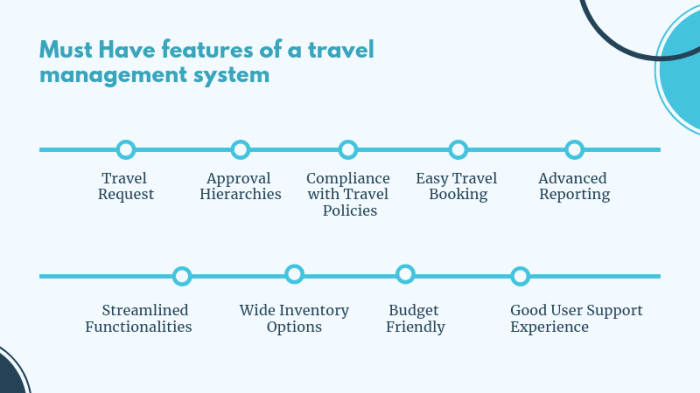
Source: kissflow.com
A user-friendly interface is paramount for corporate travel expense software. A smooth and intuitive experience minimizes errors, reduces training time, and ultimately, increases user adoption and satisfaction. This, in turn, leads to more accurate and efficient expense reporting.
Importance of User-Friendly Interfaces
A well-designed interface simplifies the process of submitting travel expenses. Clear navigation, intuitive layouts, and easily accessible features encourage users to embrace the software. Visual cues and clear labeling help users understand the software’s functions quickly. This proactive design reduces the need for extensive training, as the software itself acts as a valuable resource for users.
Best Practices for User Training and Onboarding
Effective onboarding is crucial for successful software adoption. A structured training program should cover the software’s core features, including submission procedures, reporting functionalities, and integration with existing systems. Phased training, starting with basic tutorials and progressing to more advanced topics, allows users to gradually develop proficiency.
Examples of Effective User Training Materials
Interactive tutorials, video demonstrations, and hands-on workshops are effective training tools. Comprehensive documentation, including a user manual and FAQs, should be readily available. Example training materials could include short video tutorials demonstrating specific features like expense claim submission or reporting generation. They should be readily accessible via a dedicated learning portal. Furthermore, a “getting started” guide and a frequently asked questions (FAQ) document can be provided for users to quickly resolve common issues.
Importance of Clear Documentation and Support Resources
Comprehensive documentation, including a user manual and FAQs, is essential. This ensures users can find answers to their questions quickly and independently. Accessible support channels, such as a dedicated helpdesk or online forum, allow users to seek assistance when needed. The documentation should be easily searchable and well-organized, providing step-by-step instructions and troubleshooting guides.
Role of Mobile Applications in Enhancing User Experience
Mobile applications offer a convenient way for users to submit expenses on the go. This accessibility enables real-time data entry and reduces the need for users to access the software only from their desktops. A dedicated mobile app should provide a streamlined experience that mirrors the desktop interface for familiarity and consistency.
Navigation Guides for Users
To navigate the software effectively, users should follow a structured approach. A visual representation of the software’s key components and their interrelationships can be a helpful guide. This should include an interactive flowchart depicting the typical expense reporting workflow.
User Support and Troubleshooting
Users should have easy access to support resources, including dedicated help articles, FAQs, and online forums. A robust support system can address user queries promptly and efficiently. A knowledge base with searchable articles, detailed FAQs, and video tutorials can significantly reduce user support tickets. Users should also be able to quickly locate specific features or functionalities within the software.
Future Trends in Corporate Travel Expense Software
Corporate travel expense software is rapidly evolving, adapting to the dynamic landscape of business travel and the ever-increasing demands for efficiency and control. These advancements are driven by technological innovations and a desire to streamline expense management, improve security, and enhance the overall user experience. This section examines emerging trends shaping the future of corporate travel expense software.
The future of corporate travel expense software is intertwined with technological advancements and evolving business needs. Companies are increasingly seeking software solutions that can automate complex processes, integrate seamlessly with existing systems, and offer comprehensive insights into travel spending. This proactive approach is critical to maintaining cost control, optimizing travel budgets, and enhancing compliance with corporate policies.
Emerging Trends in the Corporate Travel Expense Software Market
The corporate travel expense software market is witnessing significant shifts, driven by technological advancements and evolving business travel policies. These trends encompass a range of innovations, from AI-powered automation to blockchain-based security.
- AI-Powered Automation: AI and machine learning are revolutionizing expense management. AI algorithms can analyze past travel data to predict future expenses, identify potential cost savings, and automate expense report submission. For instance, AI can automatically categorize expenses based on patterns, reducing manual data entry and errors. This leads to faster processing and improved accuracy.
- Blockchain Technology: Blockchain’s potential impact on expense management lies in its ability to create secure and transparent records of transactions. This technology can enhance the security of expense data and ensure that all transactions are auditable and verifiable, thereby reducing fraud risks and improving compliance.
- Integration with other Business Systems: The future of expense software includes seamless integration with other enterprise resource planning (ERP) systems. This allows for real-time data sharing and eliminates the need for manual data entry, leading to a more streamlined and efficient expense reporting process.
- Mobile-First Design: The increasing use of mobile devices necessitates software solutions optimized for mobile platforms. This will enable users to submit expenses, track travel details, and access reports on the go, enhancing convenience and flexibility.
Role of AI and Machine Learning in Automating Expense Processes
AI and machine learning algorithms are proving to be instrumental in automating expense processes. These technologies can analyze vast amounts of data, identify patterns, and make predictions.
- Predictive Expense Forecasting: AI algorithms can analyze historical travel data to predict future expenses, enabling companies to proactively manage their budgets and avoid unexpected cost overruns. This is particularly beneficial in forecasting seasonal fluctuations in travel costs.
- Automated Expense Categorization: AI can automatically categorize expenses based on descriptions, receipts, and travel locations. This automation reduces the time and effort required for manual categorization, which in turn reduces errors and enhances the efficiency of the expense reporting process.
- Fraud Detection: AI algorithms can analyze expense reports to identify anomalies and potential fraudulent activities. By scrutinizing patterns and inconsistencies, these algorithms can flag suspicious expenses for review, mitigating financial risks.
Potential Impact of Blockchain Technology on Expense Management
Blockchain technology offers the potential to enhance security and transparency in expense management.
- Enhanced Security: Blockchain’s decentralized nature ensures that expense data is stored securely and immutably. This makes it more resistant to tampering and fraud, thereby enhancing the integrity of financial records.
- Improved Transparency: All transactions are recorded on the blockchain, making them easily auditable. This improves transparency and accountability, facilitating compliance with regulations and corporate policies.
- Increased Efficiency: Blockchain-based systems can automate the approval process, reducing delays and improving efficiency.
Innovative Features and Functionalities Expected in Future Software
The future of corporate travel expense software will likely include several innovative features.
- Automated Trip Planning and Booking: The software will likely integrate with travel booking platforms, allowing users to plan and book trips directly within the system. This will further enhance efficiency and reduce manual effort.
- Real-Time Expense Tracking: Real-time expense tracking provides users with up-to-the-minute visibility into their travel spending, enabling better control and decision-making.
- Personalized Expense Reports: Personalized reports tailored to individual user needs and preferences will become increasingly common, offering customized insights into travel expenses.
Adapting to Changing Business Travel Policies
Software solutions are continuously adapting to evolving business travel policies.
- Sustainable Travel Options: Future software may incorporate features that encourage sustainable travel choices, like carbon footprint calculations or suggestions for eco-friendly transportation options.
- Flexible Policies: The software will be adaptable to diverse and evolving corporate travel policies.
- Compliance with Regulations: The software will proactively support evolving compliance requirements.
Potential Impact of Trends on Corporate Travel Expense Software
| Trend | Potential Impact |
|---|---|
| AI-powered automation | Increased efficiency, reduced errors, improved cost control |
| Blockchain technology | Enhanced security, improved transparency, reduced fraud risks |
| Integration with other systems | Streamlined workflows, real-time data access, reduced manual effort |
| Mobile-first design | Increased accessibility, enhanced flexibility, improved user experience |
| Sustainable travel options | Reduced environmental impact, enhanced corporate social responsibility |
Conclusive Thoughts: Corporate Travel Expense Software

Source: bigdataanalyticsnews.com
In conclusion, corporate travel expense software offers a powerful solution for businesses seeking to optimize their travel management processes. By automating expense reporting, enhancing accuracy, and streamlining workflows, this technology significantly impacts cost control and financial reporting. The future of this software promises further integration with emerging technologies, leading to even more efficient and secure travel expense management. Understanding the features, benefits, and implementation strategies is crucial for businesses aiming to leverage the full potential of this technology.