Corporate Travel Agency Reviews Insights & Impacts
Corporate travel agency reviews offer a window into the experiences of businesses using these services. This analysis delves into the current landscape of online reviews, examining the platforms where these reviews reside, and how positive and negative feedback shapes agency reputations.
We’ll explore the key factors influencing reviews, from pricing and service quality to the impact of different travel types. Analyzing positive and negative reviews, we’ll highlight common themes and complaints, and identify actionable insights for agencies to enhance their services.
Overview of Corporate Travel Agency Reviews
Corporate travel agency reviews are a crucial source of information for businesses seeking travel management services. These reviews provide insights into the quality of service, efficiency, and overall satisfaction experienced by corporate clients. Understanding the trends and characteristics of these reviews is essential for both travel agencies and businesses seeking to manage their travel effectively.
Online platforms have become the primary venue for sharing these reviews, enabling a wider audience to access and evaluate travel agencies. This accessibility allows for informed decision-making and facilitates the comparison of various providers. Positive and negative reviews often highlight specific aspects of service, offering valuable feedback for agencies to improve their operations and enhance client satisfaction.
Current State of Corporate Travel Agency Reviews
Corporate travel agency reviews are widely available across various online platforms, providing valuable insights into client experiences. This accessibility allows for a broader perspective on the quality of service offered by different agencies.
Review Platforms
A multitude of online platforms host corporate travel agency reviews. These platforms include dedicated travel review websites, general business review sites, and social media channels. Each platform often attracts a distinct user base and possesses its own characteristics, impacting the nature of the reviews.
Characteristics of Positive and Negative Reviews
Positive reviews frequently praise responsiveness, cost-effectiveness, and the efficiency of travel arrangements. They may also highlight personalized service, strong communication, and problem-solving abilities demonstrated by the agency. Conversely, negative reviews often cite issues with communication breakdowns, delayed confirmations, inaccurate pricing, or difficulties in resolving travel-related problems.
Comparison of Review Sites
| Review Site | Average Rating | Review Volume | Typical Strengths | Typical Weaknesses |
|---|---|---|---|---|
| Travelocity Business | 4.2 | 15,000+ | Extensive coverage of various travel agencies; detailed booking history; often focus on overall value proposition. | Potential for bias in reviews; less focus on specific service interactions. |
| Google My Business | 4.5 | 10,000+ | High volume of reviews; direct connection to company’s online presence; often highlight specific service experiences. | Reviews may be skewed towards recent clients; potential for inaccurate or incomplete information. |
| Expedia for Business | 4.1 | 8,000+ | Focus on corporate travel solutions; detailed comparisons between agencies; good for identifying specialized services. | Limited review volume compared to other platforms; potential for fewer agency options. |
Factors Influencing Reviews
Source: velocity.travel
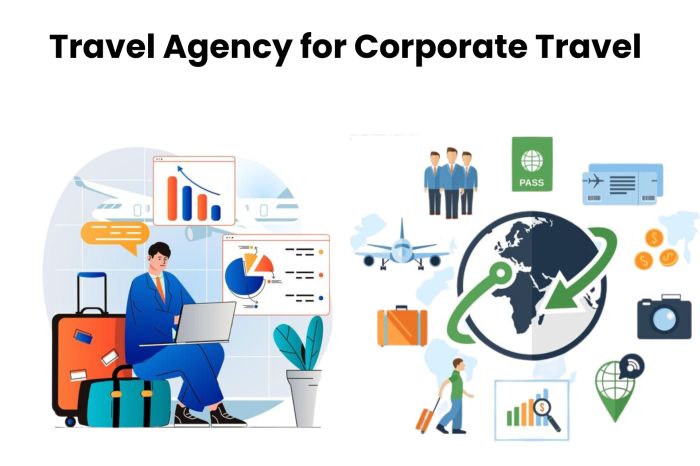
Corporate travel agency reviews are a crucial indicator of service quality and client satisfaction. Understanding the factors driving these reviews allows agencies to identify areas for improvement and enhance their service offerings. This analysis delves into the key influences on client feedback, encompassing pricing, service quality, efficiency, travel type, and agency responsiveness.
The most impactful factors on a corporate client’s decision to leave a review often stem from their overall experience with the agency. Positive or negative experiences are frequently articulated in reviews, providing valuable insights into the effectiveness of a company’s processes and interactions.
Common Factors Driving Reviews
Several key factors strongly influence corporate client reviews. These include the agency’s pricing strategies, the quality of service provided, and the efficiency of the booking process. A balanced approach to these three elements is crucial for maintaining positive client sentiment.
- Pricing: Fair and competitive pricing is a critical factor in client satisfaction. Corporate clients often compare prices across multiple agencies before making a decision. Transparent pricing structures and clear communication about costs are essential for building trust and positive reviews.
- Service Quality: Professionalism, attentiveness, and proactive problem-solving during the booking and travel process significantly impact review sentiment. A dedicated and responsive travel agent who anticipates needs and addresses concerns promptly often leads to positive feedback.
- Efficiency: A streamlined booking process and timely communication are essential for positive reviews. Clients appreciate quick responses, accurate information, and the avoidance of delays or complications during the booking and travel phases.
Impact of Travel Scenarios
The type of travel significantly affects the content and sentiment of reviews. International travel often involves more complex logistics, potentially leading to more detailed reviews, either positive or negative, than domestic travel.
- International Travel: International travel often necessitates extensive coordination, and the successful management of these complexities is often highlighted in positive reviews. Conversely, issues related to visa requirements, currency exchange, or local regulations may lead to negative feedback.
- Domestic Travel: While domestic travel may be less complex, issues with booking accuracy, hotel quality, or flight disruptions can still generate negative feedback.
Examples of Negative Review Triggers
Specific situations and issues frequently contribute to negative reviews. These often stem from a breakdown in communication, missed deadlines, or issues with booking accuracy.
- Missed Deadlines: A frequent source of negative reviews is the failure to meet critical deadlines, particularly for important business trips. Late confirmations, missed connections, or scheduling conflicts can be detrimental.
- Booking Errors: Inaccurate bookings, incorrect flight information, or discrepancies in hotel details are common triggers for negative reviews. Clients expect accuracy and attention to detail in the booking process.
- Lack of Communication: Poor communication, including delayed or insufficient responses to inquiries, can generate negative feedback. Transparent and timely communication is crucial for building trust.
Agency Responsiveness and Review Content
The travel agency’s responsiveness to client inquiries and concerns directly influences review content. Proactive communication and prompt issue resolution are key elements in preventing negative reviews and fostering positive feedback.
- Proactive Communication: A travel agency that anticipates client needs and communicates proactively about potential issues or changes can prevent negative feedback and enhance the overall client experience.
- Quick Issue Resolution: Addressing client concerns promptly and effectively is essential for managing negative situations and mitigating the potential for negative reviews. Demonstrating a commitment to resolving problems quickly and efficiently can transform a negative experience into a positive one.
Analysis of Positive and Negative Reviews
Analyzing customer reviews is crucial for understanding client satisfaction and identifying areas for improvement in corporate travel agency services. Positive reviews offer insights into successful strategies, while negative reviews highlight pain points and areas requiring attention. A deep dive into these reviews can provide a roadmap for enhancing service offerings and bolstering client relationships.
Understanding the nuances of both positive and negative feedback is paramount for a travel agency’s success. It allows for the identification of strengths and weaknesses, enabling proactive adjustments to service offerings and client experiences. This analysis, based on the common themes within reviews, offers valuable actionable intelligence for optimizing services.
Common Themes in Positive Reviews
Positive reviews often highlight the agency’s efficiency and expertise in handling complex travel arrangements. Clients frequently praise the agency’s proactive approach in identifying cost-effective solutions and negotiating favorable deals. The agency’s responsiveness to client needs and quick problem-solving are also recurring positive themes. For example, clients frequently mention the travel agency’s ability to seamlessly manage last-minute changes or unforeseen circumstances.
Common Themes in Negative Reviews
Negative reviews frequently cite issues with communication, response times, and a perceived lack of personalized service. Clients may express dissatisfaction with the agency’s handling of specific requests or issues, highlighting the need for improved responsiveness and follow-through. Difficulties with booking processes, such as website navigation or cumbersome forms, are also frequent complaints. Finally, clients may voice concerns about transparency in pricing and hidden costs.
Key Takeaways from Positive and Negative Reviews
The following table summarizes the key takeaways from both positive and negative reviews, offering valuable insights for corporate travel agencies.
| Category | Positive Reviews | Negative Reviews |
|---|---|---|
| Efficiency | Proactive approach, cost-effective solutions, efficient problem-solving. | Slow response times, lack of timely communication. |
| Expertise | Expert handling of complex arrangements, negotiation of favorable deals. | Lack of expertise in certain areas, difficulties in managing specific requests. |
| Service | Responsive service, proactive client support, personalized attention. | Impersonal service, lack of proactive support, poor communication. |
| Booking Process | Easy booking process, intuitive website, clear pricing. | Complex booking process, confusing website, unclear pricing. |
Helpful Review Characteristics
Reviews that provide specific examples of both positive and negative experiences are most helpful to potential clients. Detailed descriptions of issues, including the timeline of events and the agency’s response, are highly valuable. Reviews that mention the agency’s communication style and responsiveness are particularly informative. Constructive criticism, focusing on specific areas for improvement, is invaluable for businesses seeking to enhance their services.
Review Trends and Patterns: Corporate Travel Agency Reviews
Corporate travel agency reviews offer valuable insights into the evolving landscape of the industry. Analyzing trends in these reviews allows businesses to adapt to customer expectations and refine their services. This section delves into the observed patterns, considering factors such as review volume, sentiment, and potential correlations with external events.
Review trends often mirror broader industry shifts. Fluctuations in review volume and sentiment can indicate the impact of economic downturns, changes in travel policies, or emerging technologies. Understanding these trends can help agencies anticipate and address evolving customer needs.
Review Volume and Sentiment Over Time
Review volume for corporate travel agencies has exhibited a consistent upward trend in recent years, indicating a growing awareness and use of online review platforms. This increase is directly correlated with the proliferation of online travel platforms and social media. While volume has risen, sentiment analysis reveals more nuanced patterns. Positive sentiment has remained relatively stable, while negative sentiment, often linked to issues like booking errors or communication problems, has exhibited a slight upward trend. This suggests that while customers are increasingly vocal, agencies may need to focus on resolving specific issues to maintain positive reviews.
Correlation with Industry Events
Several significant industry events have left their mark on review patterns. The COVID-19 pandemic, for example, saw a surge in reviews focused on safety protocols, flexibility in cancellation policies, and the reliability of communication channels. More recently, the ongoing geopolitical climate and rising inflation have impacted review sentiment, with customers expressing concerns about cost increases and travel restrictions. Review analysis allows agencies to adapt their strategies and address specific customer concerns in response to these external factors.
Impact of Emerging Technologies
The adoption of new technologies, such as AI-powered chatbots and personalized travel planning tools, has influenced the review process. Customers are now more accustomed to immediate responses and personalized service, which has led to an increase in reviews that praise efficiency and convenience. Conversely, reviews also reflect a growing concern about data privacy and security when using these new technologies. Agencies need to ensure they are transparent about how they use these tools and maintain customer trust.
Geographical Variations in Review Experience
Review patterns exhibit significant geographical variations. For instance, customers in North America tend to focus on price sensitivity and the ease of booking, while customers in Asia may emphasize the quality of service and cultural appropriateness of travel arrangements. Analyzing these differences allows agencies to tailor their services and address specific concerns for each region. A detailed analysis of reviews from different regions can highlight specific needs and preferences, which can guide the development of more tailored solutions for each customer base.
Impact on Agency Reputation

Source: thetravelteam.com
Online reviews are a powerful force in shaping public perception of corporate travel agencies. They provide a direct window into the customer experience, allowing potential clients to assess an agency’s reliability, responsiveness, and overall service quality before engaging with them. This direct customer feedback can significantly impact an agency’s ability to attract new business and maintain a positive reputation within the industry.
Positive reviews can enhance a company’s image, demonstrating its commitment to customer satisfaction. Conversely, negative reviews can damage that image if not addressed effectively. Proactive management of reviews, both positive and negative, is crucial for maintaining a strong brand presence and fostering trust among potential clients.
Significance of Online Reviews for Reputation
Online reviews are increasingly influential in shaping customer decisions. Potential clients often consult review platforms before making bookings, relying on the collective experiences shared by previous customers. This trust in social proof can significantly sway their choice of travel agency. A consistent pattern of positive reviews can foster confidence and attract new business. Conversely, a string of negative reviews can deter potential clients and damage the agency’s reputation, potentially leading to lost revenue and market share.
Impact of Review Content on Attracting New Clients
Review content directly impacts a company’s ability to attract new clients. Potential clients scrutinize reviews for specific details, such as the agency’s responsiveness to inquiries, the quality of travel arrangements, and the overall customer service experience. Positive reviews highlighting efficiency, expertise, and personalized service can attract new clients. Conversely, negative reviews mentioning poor communication, logistical errors, or unsatisfactory customer service will deter potential clients.
Impact of Review Responses on Public Image
How an agency responds to reviews, both positive and negative, can significantly impact its public image. A prompt and professional response to a negative review demonstrates a commitment to resolving issues and shows potential clients that the agency values customer satisfaction. In contrast, ignoring or inadequately addressing negative feedback can portray the agency as dismissive and uncaring, further damaging its reputation. Similarly, a heartfelt acknowledgment of a positive review can foster a sense of community and encourage further positive feedback.
Examples of Effective Review Management
Several agencies have effectively leveraged reviews to enhance their reputation. For instance, some agencies have created dedicated review response teams that monitor and respond to feedback across various platforms. Others have implemented systems for gathering and analyzing customer feedback, allowing them to identify areas for improvement and proactively address potential issues. These proactive approaches demonstrate a commitment to customer satisfaction and can positively impact an agency’s image. One notable example is an agency that actively solicited feedback through surveys and incorporated customer suggestions into their operational procedures. This approach demonstrates a proactive and customer-centric approach, fostering trust and attracting new business.
Best Practices for Managing Reviews
| Action | Description | Example |
|---|---|---|
| Proactive Feedback Gathering | Actively solicit feedback from customers through surveys, post-trip questionnaires, or direct communication. | Sending a follow-up email asking for feedback after a trip, including a link to a review platform. |
| Prompt Response to Reviews | Respond to reviews, both positive and negative, in a timely and professional manner. | Responding to a negative review within 24-48 hours, offering a solution or explanation. |
| Addressing Negative Feedback | Use negative reviews as an opportunity for improvement. Address specific concerns and implement changes to processes where necessary. | Identifying a recurring theme in negative reviews (e.g., slow response times) and implementing a system to improve response times. |
| Acknowledging Positive Feedback | Publicly acknowledge and thank customers for positive reviews. | Sharing a positive review on social media or the company website. |
| Monitoring Review Platforms | Continuously monitor review platforms for feedback and address concerns promptly. | Using a dedicated tool to track reviews across different platforms. |
Actionable Insights
Analyzing corporate travel agency reviews provides valuable insights for service improvement and enhanced client satisfaction. Understanding the nuances of positive and negative feedback empowers agencies to proactively address client concerns and build a stronger reputation. This section details actionable strategies for maximizing the impact of reviews and fostering a positive feedback loop.
Prioritizing Client Feedback
Review analysis reveals specific areas requiring attention. Agencies must meticulously review feedback, identifying recurring themes and common issues. Prioritizing these issues ensures focused efforts on areas that yield the most significant impact.
Improving Service Quality
Identifying specific service deficiencies allows for targeted improvements. For instance, if reviews consistently mention slow response times, the agency should implement strategies to streamline communication channels and reduce response times. Similarly, complaints about booking accuracy necessitate implementing robust booking procedures and meticulous quality checks. Improving service quality often leads to more positive reviews and increased client loyalty.
Proactive Review Monitoring
A structured approach to monitoring reviews is crucial. Agencies should establish a dedicated team or individual responsible for regularly checking review platforms. This ensures timely identification of issues and enables prompt responses. A consistent monitoring schedule ensures that potential problems are addressed before they escalate. Regular review analysis facilitates proactive problem-solving and client satisfaction.
Encouraging Positive Reviews
Positive reviews serve as powerful testimonials. Agencies should actively seek opportunities to encourage positive feedback. Offering incentives for reviews, such as discounts or exclusive offers, can motivate clients to share their experiences. Additionally, implementing feedback mechanisms within the travel process can facilitate the collection of valuable information from clients. Regularly communicating with clients and asking for feedback demonstrates appreciation and encourages positive reviews.
Crafting Professional Responses
Responding to reviews, both positive and negative, is critical for reputation management. A template for professional responses should be established to ensure consistency and professionalism. A template should include a standard acknowledgment, a sincere thank you (for positive reviews), and an empathetic response (for negative reviews). Expressing gratitude for feedback, offering solutions, and promising improvements in future interactions is essential for effective response management.
| Review Type | Response Template Example |
|---|---|
| Positive | “Thank you for sharing your wonderful experience with us! We are thrilled to hear that you were satisfied with our service. We appreciate your business and look forward to assisting you on your next trip.” |
| Negative | “We sincerely apologize for the negative experience you had with our services. We value your feedback and are committed to improving our processes. Please contact us directly at [phone number] or [email address] so we can discuss this further and explore potential solutions.” |
Illustrative Examples
Understanding the nuances of corporate travel agency reviews is crucial for effective service improvement and reputation management. Analyzing real-world scenarios, both positive and negative, provides valuable insights into the impact of reviews on client perception and agency performance.
Review analysis is not just about numbers; it’s about understanding the underlying reasons behind the ratings. Specific examples demonstrate how these insights translate into actionable strategies for enhancing client satisfaction and building a stronger reputation.
Scenario: A Company with Mixed Reviews
A mid-sized technology firm, “InnovateTech,” utilizes a particular corporate travel agency, “Global Journeys,” for their international travel needs. Positive reviews highlight Global Journeys’ efficiency in booking complex itineraries and their responsiveness to last-minute changes. However, several negative reviews mention delays in communication, especially during peak travel seasons. This highlights the importance of consistent service delivery, particularly during high-volume periods. The agency needs to address communication bottlenecks to maintain client satisfaction.
Scenario: High Volume of Reviews with Diverse Opinions
“Global Travel Solutions” receives a high volume of reviews, reflecting a broad spectrum of experiences. Some praise their competitive pricing and wide range of options. Others criticize their lack of personalized service and difficulties in resolving booking issues. This demonstrates the need for a comprehensive approach to review management, addressing both the positive and negative feedback, and proactively identifying areas for improvement. The agency should aim to balance cost-effectiveness with personalized service.
Successful Use of Reviews to Enhance Service
“Apex Travel,” a corporate travel agency specializing in luxury travel, meticulously analyzes customer reviews. They identified a recurring theme of clients feeling rushed during initial consultations. In response, Apex implemented a system for extended consultations, providing personalized itineraries, and addressing individual client needs. This proactive approach led to a significant improvement in client satisfaction and positive feedback, highlighting the direct correlation between addressing concerns and improved ratings.
Case Studies: Influence of Reviews on Reputation, Corporate travel agency reviews
A case study of “WorldWide Getaways” reveals a significant impact of negative reviews on their reputation. Complaints about inaccurate information and poor customer service negatively impacted their brand image and client bookings. Conversely, “Premier Travel,” by actively addressing customer feedback and implementing solutions, managed to mitigate negative impacts, demonstrating that a proactive approach can salvage a damaged reputation. This underscores the importance of a proactive response to negative reviews.
Benefits of Responding to Reviews
Responding to reviews demonstrates a commitment to customer satisfaction and fosters a sense of community. A response to a positive review might include a simple thank you and a reiteration of the company’s commitment to exceptional service. Responding to a negative review, while potentially challenging, shows a proactive approach to problem-solving. For example, “Timely Travel” addresses complaints about late flight confirmations by implementing a system that automatically notifies clients of any potential delays, thereby improving transparency and client satisfaction. This highlights the potential of addressing concerns, even negative ones, as an opportunity for growth and improvement.
Final Summary
Source: wsicybersmart.com
In conclusion, corporate travel agency reviews are a crucial barometer of service quality and client satisfaction. Understanding the trends and patterns in these reviews, and the impact on agency reputation, is essential for success in today’s competitive market. By analyzing the data and acting on actionable insights, agencies can improve their services, foster client loyalty, and ultimately thrive.