Comprehensive Travel Risk Management A Guide
Comprehensive travel risk management is crucial for any trip, from a weekend getaway to an extended adventure. This guide dives deep into the essential aspects of preparing for and mitigating potential risks while traveling, covering everything from health concerns and security threats to political instability and environmental factors. We’ll explore proactive risk assessment, detailed mitigation strategies, and essential emergency preparedness plans.
By understanding the various types of travel risks and developing a personalized risk management plan, you can significantly enhance your safety and enjoyment during your travels. This guide will equip you with the knowledge and tools to navigate any situation with confidence.
Defining Comprehensive Travel Risk Management
Comprehensive travel risk management is a proactive approach to identifying, assessing, and mitigating potential hazards that travelers might encounter during their journeys. It encompasses a wide range of risks, from the mundane to the unforeseen, and aims to minimize the impact of negative events on the traveler’s safety, well-being, and overall travel experience. This proactive strategy emphasizes preparedness and planning, allowing travelers to confidently navigate potentially challenging situations.
Travel risk management goes beyond simple precautions; it involves a systematic evaluation of potential risks, developing mitigation strategies, and having contingency plans in place. This comprehensive approach ensures that travelers are well-equipped to handle various situations, promoting peace of mind and enabling a more enjoyable and secure travel experience.
Types of Travel Risks
Travel risks encompass a diverse range of potential problems, impacting various aspects of a journey. Understanding these different categories is crucial for effective risk management.
- Health risks, such as contracting illnesses, experiencing injuries, or encountering medical emergencies, are a significant concern for travelers. These risks can be exacerbated by unfamiliar environments, food, and water sources. Proper vaccinations, travel health insurance, and pre-trip consultations with healthcare providers are crucial steps to mitigate these risks.
- Security risks, including crime, terrorism, and political instability, can pose serious threats to travelers. These risks vary considerably by destination and can necessitate heightened awareness, secure accommodations, and avoiding potentially hazardous areas.
- Political risks, such as changes in government policy, civil unrest, or diplomatic issues, can disrupt travel plans and endanger travelers. Staying informed about current events and travel advisories from government sources is essential for mitigating these risks.
- Environmental risks, such as natural disasters, extreme weather, and accidents involving transportation, can also pose significant challenges to travelers. These risks can range from minor inconveniences to life-threatening situations, and require preparedness for potential disruptions.
Importance of Proactive Risk Assessment
Proactive risk assessment is vital for effective travel risk management. This involves systematically identifying and evaluating potential risks before a trip, enabling travelers to develop appropriate mitigation strategies. Thorough risk assessment allows for informed decision-making and proactive steps to reduce the likelihood of encountering problems. For example, a thorough assessment of potential health risks could lead to necessary vaccinations or medication being taken before departure.
Travel Risk Management Strategies
Effective travel risk management strategies combine various approaches to address potential hazards. This table illustrates different strategies and their application.
| Strategy | Description | Example |
|---|---|---|
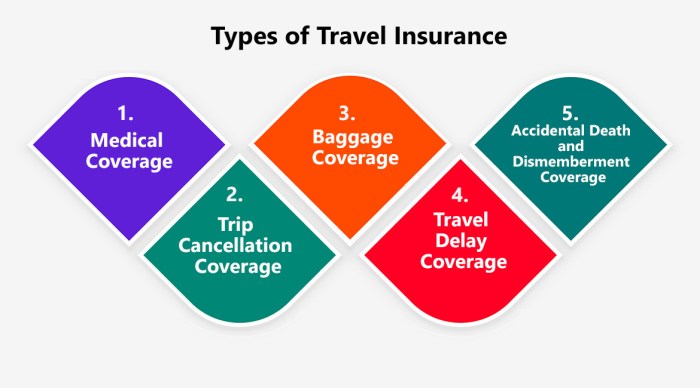
| Insurance | Travel insurance provides financial protection against various risks, including medical emergencies, trip cancellations, and lost belongings. | Comprehensive travel insurance policies often cover medical expenses, trip interruptions, and baggage loss. |
| Pre-trip Planning | Thorough pre-trip planning involves researching destinations, understanding local laws and customs, and preparing for potential emergencies. | Researching local emergency services, understanding visa requirements, and packing appropriate clothing are examples of pre-trip planning. |
| Emergency Contacts | Establishing and maintaining contact information for emergency services, family, and friends can be crucial during a crisis. | Sharing itinerary details with trusted contacts, and keeping emergency contact information readily available, are essential aspects of this strategy. |
| Travel Advisories | Staying informed about travel advisories and warnings issued by government agencies or reputable travel organizations is essential for risk mitigation. | Regularly checking for travel warnings and advisories can prevent unforeseen risks and help travelers make informed decisions. |
Assessing Travel Risks
Travel risk assessment is a crucial component of comprehensive travel planning. Proper evaluation of potential hazards allows travelers to proactively mitigate risks and ensure a safe and enjoyable experience. By considering various factors, including destination, duration, and personal activity levels, travelers can tailor their preparations to the specific circumstances of their trip.
Evaluating Personal Travel Risks
A structured approach to assessing personal travel risks is vital. This involves a comprehensive evaluation that considers the interplay of destination, duration, and activity level. The more intense the activities or the longer the trip, the greater the potential for risks. Similarly, destinations with known security concerns require more careful consideration.
- Destination Factors: Consider the destination’s reputation for safety and security. Research any recent incidents, political instability, or known crime rates. Analyze local customs and etiquette to avoid unintentional offense or misunderstandings. Assess the level of medical infrastructure and healthcare accessibility. Consider the destination’s overall safety profile compared to other locations.
- Duration of Travel: Longer trips typically present a higher risk profile due to the increased exposure to potential hazards. The duration directly impacts the probability of encountering unforeseen issues, from transportation disruptions to health emergencies. Account for the possibility of extended stays and plan for contingencies.
- Activity Level: The type and intensity of activities during the trip significantly influence the risk assessment. High-risk activities, such as hiking in remote areas or participating in extreme sports, require a more rigorous risk assessment and heightened safety precautions. Consider the potential for injury or unforeseen circumstances during these activities.
Assessing Political Instability Risks
Political instability in a travel destination can pose significant threats to traveler safety. Thorough research and proactive planning are essential for mitigating these risks.
- Current Political Climate: Scrutinize news reports and official statements regarding political events, protests, or demonstrations. Analyze the stability of the government and any potential conflicts. Assess the likelihood of disruptions to normal operations, including transportation, communications, and essential services.
- Historical Trends: Research the destination’s historical record of political unrest, social tensions, or conflicts. Identify patterns of instability or periods of heightened tension. Understand the historical context to gauge the potential for present-day issues.
- Local News and Reports: Follow reputable news sources from the region to stay informed about current events and potential disruptions. Engage with local communities or residents to gain insights into the local atmosphere. Seek guidance from travel advisories or alerts.
Assessing Health Risks
Health risks vary significantly depending on the destination. Acclimatization to different environments and preventative measures are critical.
- Destination-Specific Diseases: Research diseases prevalent in the region and consult with healthcare professionals for vaccination recommendations and preventive measures. Be aware of potential foodborne illnesses and waterborne diseases.
- Environmental Factors: Assess the potential health risks associated with altitude, climate, or other environmental factors. Understand the effects of altitude sickness, heat exhaustion, or other potential health risks.
- Medical Infrastructure: Evaluate the availability and quality of medical facilities in the destination. Research the local healthcare system’s capacity and accessibility. Determine the proximity of medical facilities to your location, especially in case of emergencies.
Evaluating Security Risks
Security risks vary based on travel settings and personal circumstances. Proactive measures can minimize risks.
- Transportation Security: Assess the security measures of transportation options, including airports, trains, and buses. Be mindful of personal belongings and valuables in public transportation settings. Consider the potential risks associated with specific modes of transport.
- Accommodation Security: Evaluate the security of hotels, hostels, or other accommodation options. Consider the safety of the neighborhood, access to emergency services, and the presence of security personnel.
- Public Gatherings: Assess potential security risks associated with public events, demonstrations, or gatherings. Be aware of the location’s history of unrest or demonstrations and adjust your plans accordingly.
Mitigation Strategies for Travel Risks
Effective travel risk management hinges on proactive measures taken before, during, and after a trip. Careful planning, appropriate insurance, and establishing emergency contacts are crucial components in mitigating potential issues. This section Artikels key strategies for reducing risks associated with travel.
Pre-Trip Planning Strategies
Thorough pre-trip planning significantly reduces the likelihood of unforeseen problems. Researching destinations, understanding local laws and customs, and obtaining necessary travel documents are vital steps. Booking accommodations and transportation in advance can also help ensure smooth travel.
- Destination Research: Comprehensive research into local customs, laws, and potential safety concerns is essential. This includes understanding visa requirements, local emergency procedures, and potential health risks. For example, researching local customs regarding public displays of affection in certain cultures or understanding local laws regarding photography in religious sites can prevent misunderstandings and potential conflicts.
- Document Preparation: Ensure all necessary travel documents, including passports, visas, and flight tickets, are valid and readily accessible. Consider creating digital copies of these documents and storing them securely in a cloud-based service or on a separate device. Having digital backups can be incredibly helpful in case of loss or damage to physical copies.
- Insurance Considerations: Understanding the specifics of travel insurance is critical. Travelers should not only evaluate the types of coverage offered but also the specific situations covered. Many comprehensive plans include trip interruption, medical emergencies, and lost belongings. Understanding what is and isn’t covered is crucial to make informed decisions about coverage levels and potential out-of-pocket expenses.
- Accommodation and Transportation: Booking accommodations and transportation in advance can help ensure smooth travel. Reviewing reviews and ratings of hotels, transportation services, and other lodging options can provide valuable insight into the experience travelers can expect.
Insurance Options for Comprehensive Coverage
Travel insurance plays a vital role in mitigating financial risks associated with unforeseen circumstances during travel. Various plans offer varying levels of coverage, from basic medical emergencies to trip cancellations and lost luggage.
- Comprehensive Travel Insurance: Comprehensive travel insurance policies typically cover medical expenses, trip cancellations, lost baggage, and other unforeseen events. Factors to consider when choosing a policy include the duration of the trip, destination, and the traveler’s individual needs.
- Medical Emergency Coverage: Medical emergency coverage is a crucial aspect of travel insurance. This coverage should include medical evacuation and repatriation costs in case of serious illness or injury. This can provide significant financial relief in case of a medical emergency in a foreign country.
- Trip Cancellation and Interruption Insurance: This insurance protects against unforeseen circumstances that may necessitate trip cancellation or interruption, such as illness, natural disasters, or family emergencies. This type of coverage can reimburse costs associated with non-refundable bookings or lost travel time.
Building an Emergency Contact Network
Establishing an emergency contact network can provide support and guidance during challenging situations. This includes sharing crucial information with trusted contacts and ensuring clear communication channels.
- Designated Contacts: Inform at least two trusted individuals (family or friends) about the travel itinerary, including flight details, accommodation, and local emergency numbers. This allows someone to provide support if needed.
- Communication Channels: Maintain consistent communication with designated contacts throughout the trip. This might involve regular updates or pre-arranged methods for contacting each other in case of an emergency.
- Local Emergency Contacts: Obtain local emergency numbers, including hospitals, police, and embassies, before traveling. This can be vital in case of emergencies requiring immediate assistance.
Specific Actions to Reduce Health Risks
Taking preventive measures can significantly reduce the risk of health problems during travel. This includes vaccinations, appropriate clothing, and adherence to hygiene guidelines.
| Health Risk | Specific Actions |
|---|---|
| Infectious Diseases | Consult with a doctor about recommended vaccinations and necessary precautions based on the destination. Adhere to hygiene guidelines, such as frequent handwashing and avoiding contaminated food or water. |
| Heat-related illnesses | Wear light, breathable clothing, stay hydrated, and limit outdoor activities during peak heat hours. Consider using sunscreen and a hat to protect from the sun. |
| Altitude sickness | Acclimatize to the altitude gradually. Avoid strenuous activity at high altitudes and ensure adequate hydration. Consult a doctor for recommendations if there are underlying health conditions. |
Emergency Preparedness and Response: Comprehensive Travel Risk Management

Source: fcmtravel.com
A robust travel emergency plan is crucial for mitigating risks and ensuring a safe and smooth trip. Proactive planning reduces stress and anxiety during unforeseen circumstances, allowing travelers to respond effectively to potential challenges. This section Artikels the importance of developing a personalized emergency plan, including reporting procedures, contact strategies, and communication tools.
Importance of a Travel Emergency Plan
A well-defined travel emergency plan is essential for managing potential crises effectively. It acts as a roadmap for navigating challenging situations, ensuring travelers can react appropriately and seek assistance swiftly. The plan should be tailored to the specific trip, considering factors like destination, duration, and activities. Having a plan in place can significantly reduce the anxiety and confusion that can arise during an emergency.
Emergency Reporting Procedure
Immediately reporting travel emergencies to the appropriate authorities is critical. This involves identifying local emergency services and understanding their reporting protocols. This includes knowing the local emergency number, the appropriate authorities to contact in various situations (police, embassy, consulate), and the best communication channels for different situations. A detailed list of emergency numbers and contact information, including local and international contacts, should be readily accessible and kept updated.
Contacting Emergency Contacts
Establishing clear communication channels for contacting emergency contacts is paramount. This involves providing emergency contacts with accurate information about the trip, including itinerary, lodging, and emergency contact information. The travel emergency plan should specify the process for notifying contacts about a situation, the preferred communication methods, and backup plans in case of communication failures. Having a trusted network of contacts available to facilitate communication during an emergency situation is a critical aspect of the plan.
Communication Tools for Emergency Response, Comprehensive travel risk management
Various communication tools can facilitate emergency response during travel. These include mobile applications for emergency notifications, satellite phones for communication in remote areas, and personal emergency response systems (PERS). These tools provide reliable means of contacting emergency contacts and authorities in case of emergencies, particularly in areas with limited or unreliable communication infrastructure. Utilizing these tools effectively enhances the chances of timely assistance and support.
- Mobile applications: Many mobile apps provide emergency features, including GPS tracking and emergency contact sharing. These can help authorities locate and assist a traveler quickly in an emergency.
- Satellite phones: Useful in areas with poor cellular reception, satellite phones provide a reliable communication channel for emergencies.
- Personal Emergency Response Systems (PERS): A wearable device, PERS allows users to activate an emergency alert with a simple button press. This can alert emergency contacts and authorities, potentially saving valuable time in a crisis.
Technological Tools for Risk Management
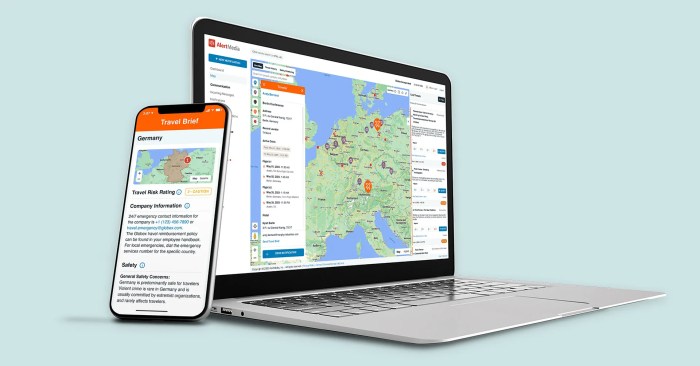
Modern technology offers powerful tools to enhance travel risk management, empowering travelers with greater safety and preparedness. These tools provide real-time information, communication channels, and safety features, enabling proactive risk mitigation and efficient emergency response. From mobile apps offering crucial travel information to sophisticated GPS tracking, technology plays a pivotal role in ensuring secure and worry-free journeys.
Mobile Applications for Travel Risk Management
Mobile applications have become indispensable resources for travelers, offering a comprehensive suite of features to aid in risk management. These apps provide crucial information, facilitate communication, and enable proactive safety measures. Specific apps cater to different aspects of travel, offering valuable support.
| App Name | Key Features | Risk Management Focus |
|---|---|---|
| SafetyWing | Emergency assistance, medical information, travel alerts, secure communication | Emergency preparedness, health and safety |
| Trailblazer | GPS tracking, itinerary sharing, real-time location updates, incident reporting | Security, tracking, incident reporting |
| GoSafe | Emergency contacts, travel advisories, local information, language translation | Communication, safety alerts, information access |
| iVisa | Visa application assistance, travel document management, embassy contact details | Visa and document management |
GPS Tracking Devices for Safety
GPS tracking devices provide real-time location data, significantly enhancing safety during travel. These devices allow for precise monitoring of a traveler’s location, facilitating quick response in case of emergencies.
GPS tracking systems provide a secure method to track a traveler’s location, allowing for immediate response during emergencies.
The data generated by these devices can be shared with designated contacts, enabling swift intervention in situations requiring immediate attention. For example, in remote areas or during solo travel, GPS tracking can be invaluable. If a traveler encounters an unexpected incident, their location can be quickly pinpointed, facilitating prompt assistance.
Social Media Monitoring Tools for Risk Assessment
Social media monitoring tools are becoming increasingly important for assessing travel risks. By tracking online discussions, news reports, and user-generated content related to a destination, travelers can proactively identify potential safety concerns.
For instance, tools like Brand24 or Mention can monitor conversations about specific locations or events, providing insight into local issues. Real-time information about protests, demonstrations, or safety concerns can be accessed, enabling travelers to make informed decisions about their itinerary and safety precautions. These tools offer a proactive approach to risk assessment, allowing travelers to stay ahead of potential problems and mitigate potential dangers.
Specific Risk Examples by Destination Type
Travel risk assessment is crucial for a safe and enjoyable trip. Understanding potential hazards specific to different travel styles and destinations allows for proactive risk mitigation. Tailoring precautions to the unique characteristics of each trip type is essential for minimizing unforeseen issues.
Adventure Travel Risks
Adventure travel, with its inherent exposure to challenging environments and activities, presents a unique set of risks. These risks often involve physical harm, equipment failure, and unpredictable natural events. Proper preparation and informed decision-making are paramount to managing these risks effectively.
- Environmental Hazards: Mountain climbing, trekking, and white-water rafting expose travelers to potentially dangerous weather conditions, including sudden storms, avalanches, flash floods, and extreme temperatures. Pre-trip weather forecasts, route assessments, and contingency plans are crucial.
- Equipment Malfunction: Adventure activities frequently rely on specialized equipment. Equipment failures can lead to accidents. Regular maintenance, thorough pre-trip checks, and having backup equipment are vital.
- Wildlife Encounters: Certain destinations have a high concentration of wildlife. Unforeseen encounters can pose significant risks. Thorough research on local wildlife, understanding animal behavior, and appropriate safety measures are key.
- Remote Location Considerations: Many adventure destinations are remote and have limited access to medical facilities. Travelers should consider emergency evacuation plans, ensure sufficient medical supplies, and carry comprehensive travel insurance.
Business Travel Risks
Business travel, while often focused on professional objectives, involves inherent risks. These include security concerns, cultural misunderstandings, and unexpected delays. Proper planning can minimize the likelihood of encountering such problems.
- Security Threats: Some business destinations have heightened security concerns. Travelers should be aware of local security situations and adhere to safety guidelines provided by their company or relevant authorities. Pre-trip security briefings and awareness of potential threats are vital.
- Cultural Misunderstandings: Different cultures have different business practices and etiquette. Researching local customs and norms before a trip can prevent misunderstandings and build trust. Sensitivity training for intercultural interactions is beneficial.
- Travel Delays: Unexpected delays, such as flight cancellations or traffic disruptions, can significantly impact business schedules. Travelers should build in buffer time and consider alternative transportation options.
- Financial Risks: Business travel often involves expenses that need to be properly tracked and documented. Clear expense reporting procedures and travel policies help minimize financial risks.
Family Travel Risk Mitigation
Family travel requires specific considerations for safety and enjoyment. Children, in particular, require extra care and attention. A comprehensive travel risk management plan for families involves anticipating and mitigating various potential hazards.
- Child Safety Protocols: Establish clear communication and safety protocols with children, especially in unfamiliar environments. Inform children about emergency procedures and teach them to identify and avoid potential dangers.
- Health Concerns: Families should be prepared for potential health issues. Comprehensive travel insurance and readily accessible medical resources are crucial.
- Lost Luggage or Delayed Flights: Families should plan for lost luggage or delayed flights, including the possibility of securing alternate clothing and essentials.
- Adapting to Diverse Family Needs: Family members have diverse needs and preferences. Flexible plans and adaptability are essential to cater to these needs.
Solo Female Traveler Risk Management
Solo female travelers face unique risks, requiring specific strategies for managing safety and security. Awareness, preparation, and proactive measures are essential.
- Personal Safety: Solo female travelers should be aware of their surroundings and take necessary precautions. Avoiding unsafe areas at night, utilizing secure transportation, and communicating their itinerary to trusted contacts are essential.
- Financial Safety: Managing finances carefully is vital. Using secure payment methods, carrying sufficient cash, and avoiding displaying large amounts of money are good practices.
- Emergency Preparedness: Solo female travelers should have emergency contact information readily available and ensure they have access to reliable communication methods.
- Networking and Support: Connecting with other travelers, local communities, and safety organizations can provide valuable support and guidance.
Case Studies and Examples
Source: alertmedia.com
Real-world case studies highlight the importance of proactive travel risk management. These examples illustrate successful strategies, preventable risks, and the consequences of inadequate planning, providing valuable insights for travelers and organizations. Understanding how others have navigated challenges and opportunities allows for informed decision-making and enhanced preparedness.
Effective risk management often involves a combination of meticulous pre-trip planning, adaptable contingency strategies, and rapid responses during emergencies. By studying past experiences, travelers and planners can better anticipate and mitigate potential problems, ultimately ensuring a safer and more enjoyable journey.
Successful Travel Risk Management Strategy
A travel agency specializing in adventure tours implemented a comprehensive risk assessment process for all clients. This included detailed destination-specific information, including potential safety concerns, local regulations, and emergency contact details. The agency also offered pre-trip briefings and encouraged clients to purchase travel insurance with comprehensive coverage. Their proactive approach resulted in a significantly lower incidence of travel-related issues among their clients compared to competitors. This proactive approach demonstrates the effectiveness of a well-structured risk management strategy, which reduces the likelihood of unforeseen problems and improves client satisfaction.
Traveler Avoiding Risk Through Pre-Trip Planning
A solo traveler planning a backpacking trip through Southeast Asia meticulously researched visa requirements, local customs, and potential safety concerns for each country. They downloaded offline maps, communicated with local contacts, and established a detailed itinerary, including backup plans for transportation and accommodation. This thorough preparation enabled them to anticipate and avoid potential scams and transportation delays, ensuring a safe and smooth journey. The traveler’s careful planning demonstrates how proactive research and contingency measures can mitigate potential risks.
Travel Emergency and Response
A group of hikers in the Himalayas experienced a sudden and severe weather event, trapping them on a mountain pass. Their pre-trip planning included a detailed itinerary with emergency contact information for the local authorities and an established communication protocol. The hikers immediately contacted their designated contact person, who relayed the situation to the local authorities. The authorities mobilized rescue teams and coordinated a swift and successful rescue operation, highlighting the importance of having a clear communication plan in place. This example emphasizes the value of established emergency protocols and communication channels for managing emergencies effectively.
Travel Risk Management Failure and Consequences
A cruise line operating in the Caribbean failed to adequately assess and address the risk of severe weather events, particularly hurricanes. They lacked comprehensive emergency protocols for handling such situations and did not have sufficient evacuation procedures in place. When a powerful hurricane struck, the cruise ship faced significant damage, leading to injuries and significant financial losses. The passengers were stranded for days, experiencing a stressful and disorganized rescue operation. This case study illustrates the serious consequences of neglecting risk assessments and proactive emergency planning. The cruise line’s failure highlights the critical need for comprehensive risk management and robust contingency plans, particularly in destinations with a history of severe weather events.
Legal and Regulatory Considerations
Navigating the legal landscape is crucial for any comprehensive travel risk management strategy. Understanding the legal implications, travel insurance regulations, and local laws in various destinations are paramount for a smooth and safe trip. Travel advisories and alerts provide vital information for assessing and mitigating risks.
The legal implications of travel extend beyond personal liability and include potential violations of local laws, regulations, and customs. This includes understanding visa requirements, customs regulations, and local laws concerning photography, public demonstrations, or political activities. Failing to adhere to these regulations can lead to legal repercussions, including fines, imprisonment, or travel restrictions.
Legal Implications of Travel Risk Management
Travelers must understand that their actions during their trip have legal ramifications. These legal implications encompass personal conduct, interactions with local authorities, and adherence to local regulations. Failure to adhere to local laws can result in fines, imprisonment, or travel restrictions. For instance, engaging in activities that violate local laws, such as unauthorized filming or protesting, can lead to legal repercussions. Understanding these implications is critical for preventing potential legal complications.
Travel Insurance Regulations in Different Countries
Travel insurance regulations vary significantly across countries. Some countries mandate certain coverage levels or require specific documentation. The coverage and terms of the policy are vital aspects of travel risk management. For example, some countries might mandate health insurance coverage, while others might have specific regulations regarding evacuation or repatriation. Knowing the specific insurance requirements of a destination is crucial for avoiding potential issues. Comprehensive travel insurance is essential, and it’s important to verify the policy’s coverage for medical emergencies, lost luggage, trip cancellations, and other potential risks.
Importance of Understanding Local Laws in Relation to Travel Safety
Thorough research into local laws and customs is essential for safe travel. This includes understanding cultural norms, appropriate attire, and potential restrictions on certain activities. Local laws often dictate permissible conduct, and travelers should be well-informed to avoid unintentional breaches. Respecting local customs and adhering to legal requirements are essential for a positive and safe travel experience. Understanding local laws concerning personal belongings, photography, and political gatherings can significantly reduce the likelihood of issues.
Travel Advisories and Alerts
Travel advisories and alerts issued by governments and organizations provide crucial information regarding safety and security concerns in specific destinations. These advisories inform travelers of potential risks and provide recommendations for mitigating them. Monitoring travel advisories and alerts regularly is crucial for proactive risk management. These alerts often include information on specific threats, such as political instability, natural disasters, or health concerns. Staying informed allows travelers to make informed decisions and adjust their travel plans as needed.
Epilogue
Source: oncallinternational.com
In conclusion, comprehensive travel risk management isn’t just about insurance and safety precautions; it’s a holistic approach to planning and executing your trips. By carefully assessing potential risks, implementing appropriate mitigation strategies, and being prepared for emergencies, you can transform your travel experience from a potential concern to a worry-free adventure. This guide has provided a robust framework for understanding and managing travel risks, empowering you to travel confidently and safely.