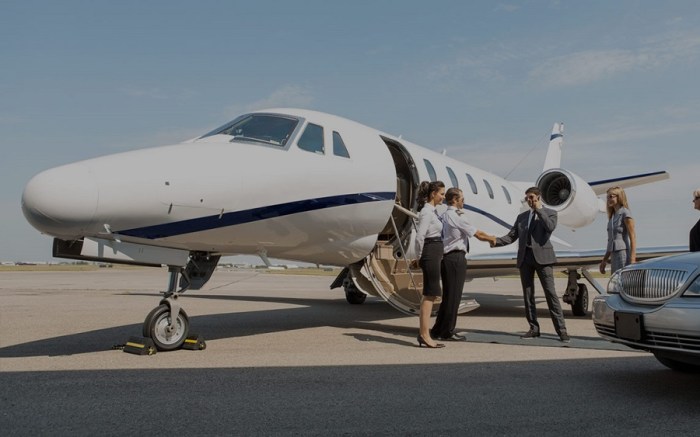
Business Travel Upgrades Maximizing Your Trip
Business travel upgrades offer a compelling opportunity to enhance the overall travel experience, from the comfort of premium seating to the convenience of exclusive airport lounges. This exploration delves into the intricacies of securing these upgrades, considering their cost-effectiveness and the impact on both personal and professional outcomes. We’ll examine various types of upgrades, strategies for obtaining them, and the technological tools available to make the process smoother.
Understanding the diverse upgrade programs offered by airlines and hotels is crucial. Factors like loyalty programs, booking classes, and travel frequency all play a role in eligibility. This comprehensive guide provides insights into navigating the complexities of business travel upgrades, ensuring you get the most out of your journey while maximizing its potential return on investment.
Defining Business Travel Upgrades
Business travel upgrades are a significant component of optimizing the travel experience for professionals, offering various benefits ranging from enhanced comfort to valuable perks. These upgrades can significantly improve productivity and well-being during journeys. Understanding the different types, programs, and eligibility criteria is crucial for maximizing these opportunities.
Understanding the different types of upgrades available and the factors influencing eligibility empowers travelers to proactively seek and secure these benefits. This allows them to make informed decisions about their travel arrangements, ensuring a more comfortable and productive journey.
Types of Business Travel Upgrades
Various types of upgrades enhance the business travel experience, impacting comfort and convenience. Airline upgrades, hotel upgrades, and other perks contribute to a more luxurious and efficient journey.
- Airline Upgrades: These are often the most common form of upgrade, encompassing various classes within an airline’s tiered system. Upgrades can involve moving from economy to business class or from business class to first class, offering increased legroom, amenities, and services.
- Hotel Upgrades: Hotels frequently offer upgrades to guests based on factors like loyalty status, booking class, or specific requests. These upgrades might include a room with a better view, a larger suite, or access to exclusive hotel amenities.
- Other Perks: Beyond airline and hotel upgrades, numerous other perks can accompany business travel, including lounge access, priority boarding, complimentary meals, and expedited check-in/check-out procedures. These often align with loyalty programs and booking cclasses
Airline Upgrade Programs
Different airlines offer distinct upgrade programs with varying benefits and eligibility criteria. Understanding these differences helps travelers make informed choices.
- Mileage-Based Programs: Many airlines have loyalty programs that award points or miles for travel. These points can be redeemed for upgrades or other travel-related perks. Programs like United MileagePlus, American Airlines AAdvantage, and Delta SkyMiles are examples.
- Booking Class Differentiation: The booking class at the time of purchase often determines the initial travel class. Higher booking classes often come with better seat selection and enhanced access to upgrade opportunities.
- Comparison of Programs: Airlines’ upgrade programs vary. For example, some airlines offer more flexibility in redeeming miles for upgrades, while others might offer more frequent or exclusive upgrade opportunities through their elite status programs.
Hotel Upgrade Programs
Hotel chains frequently offer upgrade programs that are often tied to loyalty programs or booking classes.
- Loyalty Programs: Similar to airline programs, hotel loyalty programs often reward frequent stays with points or status levels that can unlock upgrades, complimentary amenities, and other perks. Examples include Marriott Bonvoy, Hilton Honors, and IHG Rewards Club.
- Booking Class Impact: Higher booking classes at hotels generally increase the likelihood of receiving an upgrade.
- Specific Offers: Some hotel chains offer unique upgrade programs or promotions for certain events or travel periods, such as business travel incentives.
Factors Influencing Upgrade Eligibility
Several factors impact the likelihood of receiving a business travel upgrade. These range from loyalty program status to the booking class and travel frequency.
- Loyalty Programs: Elite status within an airline or hotel loyalty program significantly increases the chance of securing an upgrade.
- Booking Class: Higher booking classes often provide greater access to upgrades, as they often come with higher ticket prices.
- Travel Frequency: Frequent travelers often benefit from a greater understanding of upgrade programs and better opportunities for access due to accumulating loyalty points or status.
Upgrade Tiers and Benefits
A table outlining the typical upgrade tiers and benefits for different travel classes:
| Travel Class | Upgrade Tier | Benefits |
|---|---|---|
| Economy | Basic | Potential upgrade to higher economy class, lounge access (if available) |
| Economy | Premium | Potential upgrade to business class, priority boarding, complimentary snacks and drinks, potentially lounge access |
| Business | Standard | Potential upgrade to first class, lounge access, enhanced meal options, premium seating |
| Business | Elite | Guaranteed upgrade to first class, exclusive access to VIP lounges, priority handling, premium concierge service |
| First Class | N/A | Enhanced comfort, premium amenities, and exclusive services |
Strategies for Obtaining Upgrades
Securing a business travel upgrade can significantly enhance the comfort and productivity of a trip. Understanding the strategies employed by seasoned travelers can provide valuable insights into maximizing your chances of securing an upgrade. This involves a proactive approach, leveraging various avenues and policies.
Successful upgrade strategies often hinge on a combination of factors, including loyalty program participation, strategic booking, and the expertise of a travel agent. By understanding these components, travelers can better position themselves for a more pleasant and efficient travel experience.
Loyalty Program Participation
Loyalty programs are often crucial for achieving upgrades. These programs reward frequent travelers with points, miles, or other benefits that can be redeemed for various perks, including upgrades. Actively participating in these programs and accumulating sufficient points or miles is a vital step in obtaining upgrades.
Strategic Booking
Strategic booking plays a key role in securing upgrades. This involves considering factors like the time of booking, class of service, and specific flight routes. Booking directly with the airline, if possible, might offer better upgrade opportunities than using third-party travel agents or booking sites.
Travel Agent Expertise
Travel agents can act as valuable allies in the pursuit of upgrades. Their expertise in negotiating with airlines, coupled with their knowledge of specific upgrade policies, can significantly increase your chances of success. A good travel agent will be well-versed in understanding the intricacies of upgrade procedures and can advocate on your behalf.
Understanding Upgrade Policies
Familiarizing yourself with the upgrade policies of various travel providers is essential. Airlines and other travel providers have specific policies outlining eligibility criteria, procedures, and timelines for upgrades. Knowing these policies empowers you to make informed decisions and increase your chances of receiving an upgrade. For instance, understanding the “upgrade chart” of a particular airline allows you to target flights with higher availability for upgrades.
Successful Upgrade Strategies of Frequent Travelers
Frequent business travelers often employ a multi-pronged approach. They leverage their loyalty program memberships, strategically book flights, and utilize travel agent expertise. They meticulously track their points/miles and plan their bookings accordingly. Some successful strategies include booking in advance, targeting flights with lower occupancy rates, and understanding the airline’s upgrade matrix.
Tips for Maximizing Upgrade Chances
- Maintain a high level of loyalty program activity. This involves consistent travel and active participation in the program.
- Book directly with the airline whenever possible. This often offers better access to upgrade opportunities.
- Be flexible with your travel dates. Flexibility allows you to potentially target flights with fewer passengers.
- Choose connecting flights. Connecting flights sometimes offer better upgrade chances due to lower passenger loads.
- Consider booking premium cabins. Booking in a higher class of service may increase your chances of being considered for an upgrade.
- Be prepared to make a case. If you encounter difficulties, clearly articulating your need for an upgrade might increase your chances of success.
- Be aware of the airline’s upgrade policies. Understanding the eligibility criteria and procedures is crucial.
- Utilize travel agents. A travel agent’s expertise can significantly improve your chances of receiving an upgrade.
Cost-Effectiveness and ROI of Upgrades
Evaluating the financial implications of business travel upgrades is crucial for maximizing the return on investment (ROI) and ensuring the decision aligns with overall business objectives. A strategic approach to upgrades considers the potential benefits against the associated costs, enabling a data-driven determination of value.
Careful consideration of the costs and benefits of upgrading travel arrangements is paramount. This involves a thorough assessment of the specific business trip’s objectives and the potential value an upgrade brings. For instance, a business trip requiring urgent travel or critical client meetings may justify a higher cost upgrade.
Financial Implications of Upgrades
Upgrades often involve higher costs for airfare, hotel accommodations, and other travel-related expenses. These increased costs can be substantial and directly impact the company’s bottom line. It’s important to account for these additional expenditures when budgeting for business travel. Furthermore, time savings and increased comfort associated with an upgrade can potentially offset some of the increased cost.
Comparing Upgrade Costs and Perceived Value
A comprehensive comparison requires a detailed analysis of the benefits and associated costs. Consider factors such as the distance of the trip, the necessity for quicker travel times, and the nature of the business meetings. For example, a shorter trip to a nearby city may not justify the cost of a premium upgrade if the purpose is primarily administrative. However, a longer trip involving crucial negotiations or client presentations may significantly benefit from an upgrade.
Calculating ROI of Travel Upgrades
Calculating the ROI of a business travel upgrade requires quantifying the perceived benefits. This involves establishing clear metrics to assess the potential outcomes of the upgrade. For example, if the upgrade reduces travel time, it can be measured by calculating the potential increase in productivity. Similarly, if the upgrade enhances client interaction, potential sales or project milestones can be identified and used as metrics.
ROI = (Benefits – Costs) / Costs
This formula provides a basic framework for calculating the ROI. The “Benefits” component encompasses factors like time savings, increased productivity, improved client relations, and the potential for project advancements. “Costs” include the difference in price between the upgraded and standard travel options.
Evaluating Upgrade Justification
To determine if an upgrade is justified, consider the following factors:
- Trip Purpose: Critical client meetings, urgent negotiations, or high-profile events may warrant an upgrade due to the potential for increased productivity and positive outcomes. Standard travel arrangements may be sufficient for routine business trips.
- Travel Distance and Duration: Longer journeys may benefit from an upgrade due to potential time savings and increased comfort. Shorter trips might not offer a substantial ROI.
- Potential for Increased Productivity: An upgrade potentially reducing travel time or improving work conditions can translate into increased productivity, thus impacting the ROI.
- Client Interaction and Relationship Management: High-value clients or crucial business partnerships may benefit from an upgrade to foster positive relationships, leading to increased business opportunities.
Examples of ROI Calculation
Imagine a business trip to a distant city requiring urgent client negotiations. An upgrade might allow for a faster travel time, enabling a meeting with the client on a more flexible schedule. This could lead to closing a critical deal, generating significant revenue. In contrast, a standard trip to a nearby city might not justify the extra cost if the primary purpose is administrative work, where the added time is not critical.
Technological Tools and Resources
Staying ahead in the competitive business travel landscape often hinges on leveraging the right technological tools. This involves streamlining the upgrade process and maximizing opportunities for enhanced travel experiences. Modern technology provides sophisticated solutions for securing business travel upgrades, from streamlining research to proactively identifying potential upgrade pathways.
Leveraging technological tools allows businesses to not only improve the travel experience for their employees but also optimize the overall cost-effectiveness of business travel programs. These tools are designed to enhance the process of identifying and capitalizing on upgrade opportunities, leading to significant potential cost savings and improved employee satisfaction.
Mobile Applications for Upgrades
Various mobile applications cater to the needs of business travelers seeking upgrades. These apps often provide real-time information on flight status, potential upgrade opportunities, and seat availability. Their ability to quickly alert users to possible upgrades makes them invaluable tools for maximizing chances of an upgrade. Specific examples include apps integrated with airline loyalty programs that track upgrade eligibility and provide alerts.
Websites and Platforms for Upgrade Assistance
Dedicated websites and platforms are available to assist travelers in securing upgrades. These resources often provide detailed information about upgrade policies, eligibility criteria, and the best strategies for each airline or travel agency. They act as central repositories of knowledge, streamlining the research process and equipping travelers with the information needed to navigate the upgrade process effectively. Examples include airline websites with dedicated upgrade sections and third-party travel comparison sites that display upgrade opportunities.
Travel Management Software and Upgrades
Travel management software (TMS) plays a crucial role in managing and optimizing upgrade opportunities. TMS platforms can be configured to automatically identify and book upgrades based on predefined criteria. For example, a company might configure their TMS to automatically book an upgrade if a flight is less than 50% full, or if the traveler is a high-value client. This automation significantly increases the probability of securing upgrades, and also allows for tracking of upgrade performance, further refining the company’s strategy.
Tools for Upgrade Tracking and Analysis, Business travel upgrades
Tools designed specifically for tracking upgrade opportunities can prove beneficial. These platforms allow for analysis of past upgrade attempts, success rates, and identification of patterns. Data gathered can help identify trends and optimize upgrade strategies. For instance, a company might observe that upgrades are more likely to be successful on specific routes or during particular times of year.
Table: Technological Tools and Their Functionalities
| Tool | Functionality |
|---|---|
| Airline Loyalty Programs | Track upgrade eligibility, provide alerts, and offer points/miles for upgrades. |
| Airline Websites | Detail upgrade policies, criteria, and seat availability. |
| Travel Comparison Sites | Highlight upgrade opportunities from various providers. |
| Travel Management Software (TMS) | Automate upgrade booking based on criteria, and track upgrade performance. |
| Dedicated Upgrade Tracking Platforms | Analyze past upgrade attempts, success rates, and trends to optimize strategy. |
Impact on Business Productivity
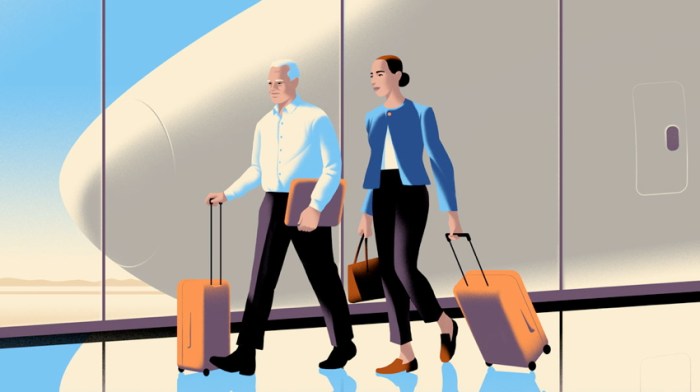
Source: nevistas.com
Investing in business travel upgrades can significantly impact employee productivity and well-being, ultimately contributing to a more positive and productive work environment. A comfortable travel experience can alleviate stress and improve focus, enabling employees to perform at their peak during and after their trips. Moreover, a positive travel experience can foster stronger relationships with clients, leading to more successful business outcomes.
Employee Productivity and Well-being
A well-managed travel experience contributes directly to employee well-being. When travel arrangements are streamlined and comfortable, employees can focus on their work and client interactions without being burdened by logistical hassles. Reduced stress associated with travel arrangements translates to improved mental clarity and increased energy levels, enabling employees to approach their work tasks with renewed vigor. This, in turn, can positively influence their overall productivity.
Comfortable Travel and Productive Work Environment
A comfortable travel experience is a crucial element in supporting a productive work environment. Consider the following factors: convenient transportation, comfortable seating, and access to amenities such as high-speed internet. These elements reduce stress and allow employees to prepare for and execute work tasks more efficiently. Adequate rest during travel contributes to better decision-making and improved focus upon return.
Correlation Between Upgrades and Client Interactions
Upgrades can positively influence client interactions. A well-rested and composed employee, traveling in comfort, can project confidence and professionalism, strengthening client relationships and potentially leading to more favorable outcomes. This can translate into increased trust, better communication, and more effective negotiation.
Examples of Positive Travel Experiences and Heightened Productivity
“When I travel in comfort, I feel more prepared to handle client meetings and more energized to tackle the tasks ahead. The stress of a long, uncomfortable flight is completely removed, allowing me to focus on the job at hand.” – John Smith, Sales Representative.
“I’ve observed that employees who travel in style often return with enhanced client rapport. The comfort and convenience foster a more relaxed and professional atmosphere, leading to smoother interactions.” – Jane Doe, Business Development Manager.
“A comfortable travel experience can reduce fatigue and stress. Employees who arrive at meetings refreshed and well-rested often perform better, resulting in more successful negotiations and better overall outcomes.” – David Lee, Project Manager.
Future Trends in Business Travel Upgrades
The business travel upgrade landscape is constantly evolving, driven by shifting traveler expectations, technological advancements, and environmental concerns. Businesses are increasingly recognizing the strategic value of enhancing the travel experience, not just as a perk, but as a means of fostering employee satisfaction and productivity. This section explores emerging trends and potential future directions in business travel upgrade programs.
The future of business travel upgrades is poised for significant transformation. This shift is fueled by a growing demand for personalized experiences, coupled with a heightened awareness of sustainability. Innovative programs and policies are emerging, reflecting these changing priorities.
Personalized Upgrade Experiences
Businesses are increasingly moving away from generic upgrade policies towards personalized approaches. This entails tailoring upgrade opportunities to individual employee needs and preferences, considering factors such as frequent flyer status, trip purpose, and personal travel styles. By analyzing data and leveraging technology, companies can offer more targeted and effective upgrade programs. For example, a company might offer a higher likelihood of an upgrade to an employee traveling for a crucial client meeting than to an employee on a personal trip, while taking into account the employee’s past travel history.
Sustainability Initiatives in Upgrade Programs
Environmental consciousness is playing an increasingly important role in business travel decisions. Companies are implementing sustainable practices within their upgrade programs, prioritizing eco-friendly options. This includes encouraging the use of carbon-offsetting programs, promoting the selection of more sustainable transportation modes, and rewarding employees who choose environmentally responsible travel options. Examples of such programs include partnering with airlines committed to sustainable practices, or offering incentives for employees who choose to travel via train or bus.
Evolution of Upgrade Policies
Future upgrade policies will likely become more dynamic and data-driven. Real-time information and advanced analytics will be crucial in making informed decisions about upgrades. This approach allows for more accurate forecasting of upgrade needs and opportunities. Companies may adopt dynamic pricing models that adjust upgrade costs based on factors such as demand, time of year, and specific routes. This will likely be paired with a greater focus on employee feedback and preferences to ensure the upgrade program aligns with their needs.
Impact of the Future of Travel on Upgrade Programs
The future of travel is likely to be shaped by advancements in technology and changing traveler preferences. The emergence of new travel options, such as hyperloop and autonomous vehicles, will undoubtedly influence upgrade policies. Companies might need to adapt their programs to accommodate these evolving travel options, offering upgrades based on factors like travel speed and convenience rather than just traditional airline classes. The rise of virtual meetings and remote work could also impact the frequency and necessity of business travel, leading to a recalibration of upgrade programs.
Understanding Customer Experiences
Business travel upgrades are not just about securing a better seat; they’re about enhancing the overall customer experience. A positive experience fosters loyalty and strengthens the company’s reputation. Understanding customer expectations and tailoring upgrade programs to meet them is crucial for maximizing the ROI of these initiatives.
Companies must prioritize a seamless and positive upgrade experience to truly benefit from the investment in travel upgrades. This involves more than just the physical aspect; it encompasses the entire journey, from the initial request to the final destination. By anticipating potential challenges and addressing them proactively, companies can transform upgrade programs from transactional processes into customer-centric experiences.
Common Customer Expectations
Customer expectations regarding business travel upgrades are multifaceted and often intertwined with broader travel preferences. These expectations frequently include a transparent and efficient upgrade process, personalized service, and an overall positive and seamless travel experience. Recognizing these facets is essential to crafting upgrade programs that meet customer needs.
Improving Upgrade Programs
Companies can significantly enhance their upgrade programs by adopting a customer-centric approach. This involves streamlining the upgrade process, making it easily accessible and understandable. Clear communication about upgrade policies, eligibility criteria, and potential delays is paramount. Offering personalized service through proactive communication and tailored solutions can further enhance the customer experience.
Providing a Positive and Seamless Experience
A positive and seamless upgrade experience is not solely about the upgraded amenities. It encompasses the entire journey, from initial inquiries to arrival. Prompt responses to requests, clear and concise communication, and personalized assistance throughout the trip are key components. Anticipating and addressing potential issues, like delayed flights or unforeseen circumstances, is also crucial. Training staff to handle these situations professionally and empathetically can greatly improve the customer experience.
Excellent Customer Service Practices
Excellent customer service practices, when applied to upgrade programs, create a significant impact. These practices often include prompt and personalized responses to upgrade requests, proactive communication about potential delays or changes, and a willingness to go the extra mile to ensure customer satisfaction. Companies can implement a feedback mechanism to gather customer insights and continuously improve their upgrade programs.
Examples of best practices include:
- Proactive Communication: Contacting customers proactively with updates on their upgrade status, especially if there are delays or changes, demonstrates a commitment to customer service. This is crucial in maintaining customer satisfaction.
- Personalized Service: Recognizing frequent travelers and tailoring the upgrade experience to their specific needs and preferences demonstrates a deeper understanding of individual customer requirements. This fosters a feeling of value and appreciation.
- Problem-Solving Focus: Addressing any issues or concerns promptly and efficiently can prevent minor inconveniences from escalating into major frustrations. Having a dedicated team or individual to handle complaints or requests effectively is essential.
Implementing these strategies can create a strong customer-centric culture within the company and ultimately lead to increased loyalty and positive brand perception.
Illustrative Examples of Upgrades
Business travel upgrades can significantly enhance the overall experience and productivity of a trip. These enhancements, from premium seating to exclusive airport access, can often lead to improved comfort, efficiency, and a positive impact on both personal and professional outcomes. This section will showcase diverse examples of upgrades across various industries and travel scenarios.
Premium Cabin Seating
Upgrades to premium cabin seating offer a more comfortable and spacious travel experience. For example, a business traveler moving from economy to business class on a long-haul flight can enjoy wider seats, recline options, and often complimentary meals and beverages. This translates to increased comfort during the flight, allowing for more focused work or relaxation, ultimately improving the overall travel experience and productivity. A software engineer traveling across continents for a crucial product launch might find a business class upgrade invaluable, enabling uninterrupted work on the flight and a more relaxed arrival.
Exclusive Airport Lounges
Airport lounges provide a haven of respite and productivity during layover periods or before a flight. Access to these lounges is often a key component of a comprehensive upgrade package. These lounges offer amenities like complimentary food and beverages, Wi-Fi access, and comfortable seating, allowing travelers to work, relax, or simply recharge before their next leg of the journey. For a financial analyst preparing for a critical investor meeting, a lounge upgrade can provide a productive environment for last-minute preparations.
Concierge Services
Concierge services provide personalized assistance for travel arrangements. A dedicated concierge can handle various tasks, from booking restaurants and arranging airport transfers to coordinating meeting logistics. This personalized touch can be especially valuable for executives or those traveling to unfamiliar destinations, ensuring seamless travel and maximizing time efficiency. A senior marketing executive attending a crucial conference abroad could benefit greatly from concierge services to manage pre-event accommodations and event logistics.
Industry-Specific Examples
Upgrades aren’t limited to a single industry. A medical professional attending a crucial conference to discuss new treatments could benefit significantly from a premium cabin upgrade, allowing them to rest and prepare for the conference effectively. Similarly, a consultant traveling to multiple client locations for strategy sessions can leverage upgraded travel accommodations to maintain focus and effectiveness during crucial meetings.
Table of Upgrade Examples
| Type of Upgrade | Industry | Travel Scenario | Impact |
|---|---|---|---|
| Premium Cabin Seating | Technology | International conference presentation | Increased focus, relaxed arrival, uninterrupted work |
| Exclusive Airport Lounges | Finance | Investor meeting preparation | Productive environment, last-minute preparation, stress reduction |
| Concierge Services | Consulting | Client meetings across multiple locations | Streamlined travel, efficient use of time, focused meetings |
| Luxury Hotel Accommodations | Healthcare | Medical conference attendance | Improved rest, preparation for presentations, stress reduction |
Closing Summary

Source: webexpenses.com
In conclusion, business travel upgrades are a valuable tool for maximizing both the comfort and productivity of business trips. By understanding the various factors influencing upgrades, employing effective strategies, and leveraging technology, travelers can optimize their experience and reap the benefits. Ultimately, well-managed upgrades can significantly impact productivity, client interactions, and the overall success of business endeavors. The future of these upgrades looks promising, with personalization and sustainability playing increasingly important roles. By thoughtfully considering the factors involved, you can confidently approach your next business trip with a clearer understanding of how to obtain and utilize upgrades to their full potential.