Business Travel Management Solutions A Comprehensive Guide
Business travel management solutions are revolutionizing how companies handle employee travel. From streamlined booking processes to efficient expense reporting, these systems offer a wealth of benefits, improving both productivity and cost-effectiveness. This guide explores the diverse landscape of travel management solutions, examining their features, benefits, and implementation considerations across various industries.
We’ll delve into the different types of solutions available, comparing their functionalities and potential drawbacks. We’ll also explore how these solutions enhance employee productivity, reduce costs, and support sustainability initiatives. Ultimately, this discussion aims to provide a clear understanding of how businesses can leverage travel management solutions to optimize their operations and achieve their goals.
Introduction to Business Travel Management Solutions
Source: co.uk
Business travel management solutions are sophisticated tools designed to streamline and optimize all aspects of corporate travel. These systems encompass everything from booking flights and hotels to managing expense reports and ensuring compliance with company policies. Effective implementation of such solutions can significantly reduce costs, improve employee satisfaction, and enhance overall operational efficiency.
These systems are more than just online booking platforms. They integrate various functionalities, providing a centralized hub for managing the entire travel lifecycle, from initial planning to final reimbursement. This comprehensive approach allows businesses to gain greater control over their travel expenses, track their spend, and ultimately make better-informed decisions regarding future travel budgets.
Key Functionalities of a Business Travel Management System
Business travel management systems offer a range of functionalities that contribute to efficient and cost-effective travel operations. These typically include:
- Booking and scheduling: Facilitating the booking of flights, hotels, and other transportation services. This often incorporates robust search capabilities to find the best deals and align with company policies.
- Expense reporting and management: Streamlining the process of submitting and approving expense reports, ensuring accurate and timely reimbursement.
- Policy management: Enforcing company travel policies regarding booking procedures, preferred vendors, and expense allowances. This ensures compliance and reduces potential risks.
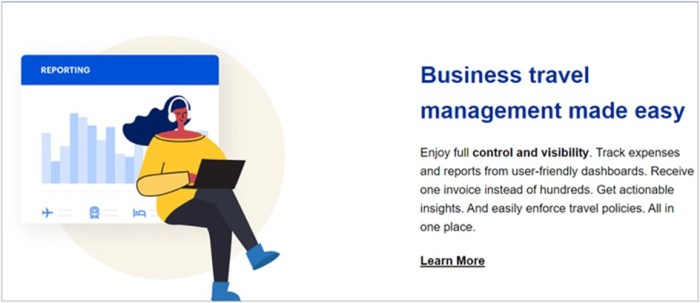
- Reporting and analytics: Generating reports and providing data analysis to identify trends, cost savings, and areas for improvement in travel expenditure. This allows businesses to make data-driven decisions.
- Travel agent integration: Facilitating communication and collaboration with travel agents to enhance the travel experience and potentially secure better deals.
Types of Business Travel Management Solutions
Different business travel management solutions cater to diverse organizational needs and budgets. The primary categories include cloud-based and on-premise systems.
| Type of Solution | Benefits | Drawbacks |
|---|---|---|
| Cloud-Based |
|
|
| On-Premise |
|
|
Features and Benefits of Business Travel Management Solutions

Source: travelperk.com
Modern business travel management solutions are transforming how companies handle their employees’ journeys. These platforms offer a comprehensive suite of features, automating tasks and streamlining processes to optimize travel budgets and improve employee experience. This efficiency translates to significant cost savings and improved operational performance.
Advanced travel management platforms boast a wide array of features designed to simplify and enhance the entire travel process. From initial booking to expense reporting, these tools are designed to integrate seamlessly with existing business systems.
Various Features Offered by Advanced Travel Management Platforms
Travel management platforms offer a diverse range of features that extend beyond basic booking. These tools often include dynamic pricing and intelligent routing, allowing for real-time adjustments based on market conditions and optimal itineraries. The ability to consolidate travel data from multiple sources into a centralized dashboard is a key advantage.
- Booking and Scheduling: Advanced platforms can automate the entire booking process, from initial search to confirmation, streamlining the workflow and saving time.
- Policy Management: Travel policies can be easily defined and enforced within the platform, ensuring compliance and reducing potential risks.
- Reporting and Analytics: Comprehensive reports and analytics dashboards provide detailed insights into travel spending, helping companies optimize their budgets and identify areas for improvement.
- Expense Management: Seamless expense reporting integrates with the booking process, simplifying the reimbursement process for employees and reducing administrative burden.
- Security and Compliance: Strong security measures protect sensitive data and ensure adherence to regulations, safeguarding company assets.
Comparison of Features Across Different Travel Management Solutions
Different travel management solutions cater to diverse business needs. Some platforms specialize in specific industries or travel types, while others offer a broader range of features. The best solution often depends on the specific requirements of the company.
- Customizability: Some solutions allow for extensive customization of travel policies, while others offer more pre-defined settings. This customizability is crucial for tailoring the platform to the specific needs of a company.
- Integration Capabilities: The ability to integrate with existing systems like accounting software or enterprise resource planning (ERP) systems is vital for seamless data flow.
- User Interface (UI): User-friendliness and intuitive design are essential for efficient platform usage. A clear and intuitive interface enhances employee adoption.
Advantages of Automated Solutions for Travel Booking
Automation significantly enhances efficiency in travel booking. By automating repetitive tasks, companies can free up staff time for more strategic initiatives. Real-time updates and alerts further streamline the process.
- Reduced Errors: Automated systems minimize human error associated with manual data entry and reduce the chance of errors in booking, thus preventing issues and saving money.
- Increased Speed: Automated booking processes expedite the entire travel booking cycle, allowing for faster turnaround times.
- Cost Savings: Automated platforms often identify cost-effective options, potentially resulting in significant savings on travel expenses.
Role of Expense Reporting in Travel Management Solutions
Expense reporting is a critical component of travel management solutions. Seamless integration with booking processes streamlines the entire reimbursement cycle. This feature helps in maintaining accurate records and managing budgets effectively.
- Automated Expense Submission: Employees can submit expense reports directly within the platform, reducing manual work and improving accuracy.
- Simplified Reimbursement: Automated approval workflows expedite the reimbursement process, reducing delays and improving employee satisfaction.
- Real-time Tracking: Real-time tracking of expenses provides valuable insights into travel spending patterns.
Examples of How These Solutions Improve Efficiency
Travel management solutions can significantly improve efficiency across various departments. For instance, a company using a centralized platform can track and analyze travel spending across all departments. This data-driven approach allows for better budget allocation and cost control.
Comparison of Key Features of Three Popular Business Travel Management Platforms
| Feature | Platform A | Platform B | Platform C |
|---|---|---|---|
| Booking Engine | Advanced, integrates with various suppliers | User-friendly, focuses on direct booking | Comprehensive, supports multiple travel types |
| Expense Reporting | Automated, integrates with accounting | Simplified, mobile-friendly submission | Robust, provides detailed analysis |
| Policy Management | Highly customizable, granular control | Pre-defined policies, easy to manage | Flexible, adapts to diverse industry needs |
| Integration Capabilities | Extensive integration options | Good integration with common tools | Limited integration, focus on core features |
Key Considerations for Implementing Business Travel Management Solutions

Source: smallbiztrends.com
Choosing the right business travel management solution is crucial for streamlining operations and optimizing costs. Careful consideration of various factors ensures a successful implementation and long-term benefits. These factors include aligning the solution with existing business systems, prioritizing user-friendly interfaces, and ensuring robust security and reporting capabilities.
Implementing a business travel management system is not just about finding a software package; it’s about integrating it seamlessly into your existing workflow. This requires a deep understanding of your current processes and a proactive approach to ensuring a smooth transition. Careful planning and thorough evaluation of potential solutions are paramount to avoid costly errors and ensure the solution serves its intended purpose.
Essential Factors for Choosing a Travel Management Solution
Careful evaluation of essential factors is vital for selecting a travel management solution that aligns with your business needs. This includes understanding the specific requirements of your travel policies, the volume of travel, and the size of your organization. Furthermore, the cost-effectiveness of the solution, scalability for future growth, and the vendor’s reputation and support are critical factors to consider.
- Travel Policies: Review your current travel policies to identify areas for improvement and ensure the chosen solution complies with these policies. A mismatch between the solution and your policies can lead to compliance issues and operational inefficiencies.
- Volume of Travel: The frequency and volume of travel will dictate the required features and functionality. Small businesses with infrequent travel might not need as many advanced features as large organizations with frequent global travel.
- Organizational Size: The size of your organization will influence the scale and complexity of the travel management solution. Small businesses might require a simpler solution with fewer features, while larger enterprises may need a more robust and comprehensive system.
- Cost-Effectiveness: Analyze the total cost of ownership (TCO), including licensing fees, implementation costs, and potential maintenance charges. Look for solutions that offer competitive pricing and value for the features provided.
- Scalability: The chosen solution should be scalable to accommodate future growth and expansion. Consider the potential increase in travel volume and the solution’s ability to adapt to these changes.
- Vendor Reputation and Support: Assess the vendor’s reputation, track record, and the quality of their support services. A strong support network is essential for addressing technical issues and providing guidance throughout the implementation process.
Integration with Existing Business Systems
Integration with existing systems is a critical factor for smooth operation and data consistency. This integration minimizes manual data entry, reduces errors, and provides a unified view of travel data. Failing to integrate the new solution can create data silos and hinder the effective use of travel data for reporting and analysis.
- Data Consistency: A seamless integration with existing HR, accounting, and expense reporting systems ensures data accuracy and consistency, preventing errors and discrepancies.
- Automated Processes: Automated processes streamline workflows, reduce manual intervention, and save time and resources. Integration allows for the automatic transfer of data between systems, reducing administrative burden.
- Unified View: A unified view of travel data across all relevant systems provides a comprehensive understanding of travel expenses, bookings, and other related information.
User-Friendly Interfaces
User-friendly interfaces are essential for efficient use and adoption of the travel management solution. A well-designed interface minimizes training requirements and maximizes user productivity. Poorly designed interfaces can lead to frustration, errors, and reduced efficiency.
- Ease of Navigation: Intuitive navigation and clear organization of features contribute to user satisfaction and minimize the learning curve.
- Clear Visualizations: Clear visualizations and reports help users quickly understand travel data and identify potential cost savings or areas for improvement.
- Accessibility: The solution should be accessible to all users, regardless of their technical expertise or preferred devices.
Security and Data Privacy
Robust security and data privacy measures are essential to protect sensitive travel data. Compromised data can lead to significant financial and reputational damage. Secure systems protect confidential information from unauthorized access and maintain compliance with data protection regulations.
- Data Encryption: Data encryption safeguards sensitive information during transmission and storage.
- Access Controls: Implementing strict access controls ensures that only authorized users can access and modify travel data.
- Compliance with Regulations: Compliance with relevant data privacy regulations, such as GDPR, is critical for avoiding penalties and maintaining trust.
Robust Reporting and Analytics Features
Robust reporting and analytics features are crucial for monitoring travel spend, identifying trends, and optimizing travel budgets. Effective reporting enables informed decision-making regarding travel policies and cost management.
- Customizable Reports: The ability to create custom reports tailored to specific needs enables data-driven insights and informed decision-making.
- Trend Analysis: Identify trends and patterns in travel spending, allowing for proactive cost optimization and policy adjustments.
- Predictive Analytics: Utilizing predictive analytics for forecasting future travel costs can optimize budgets and resource allocation.
Potential Challenges and Solutions
| Potential Challenges | Potential Solutions |
|---|---|
| Integration complexities with existing systems | Thorough planning, vendor expertise, and proper configuration |
| User resistance to adopting new systems | Comprehensive training programs, clear communication, and active user feedback channels |
| High implementation costs | Phased implementation, negotiation with vendors, and careful evaluation of features |
| Data security and privacy concerns | Robust security protocols, compliance with regulations, and regular security audits |
| Lack of sufficient support resources | Selecting vendors with strong support teams, establishing internal support channels, and clear documentation |
Impact of Business Travel Management Solutions on Businesses
Business travel management solutions are no longer just tools; they are strategic assets that significantly impact various aspects of a modern business. These solutions streamline processes, optimize costs, and enhance employee experiences, ultimately contributing to overall operational efficiency and profitability.
These solutions are not merely about booking flights and hotels; they are about managing the entire travel lifecycle, from initial planning to post-trip reporting. By automating and centralizing these tasks, companies can free up valuable resources and focus on core business objectives.
Cost Reduction Through Travel Management Solutions
Travel expenses can be a significant drain on a company’s budget. Effective travel management solutions can identify opportunities for cost savings through negotiating better rates with airlines and hotels, optimizing flight routes, and leveraging preferred vendor partnerships. These solutions often incorporate dynamic pricing tools and real-time market analysis, enabling companies to secure the best possible deals at any given moment. For example, a company using a robust travel management system could see a 15-20% reduction in average airfare costs compared to manual processes.
Enhanced Employee Productivity
Travel management solutions empower employees to focus on their core responsibilities, reducing the time spent on administrative tasks associated with travel planning. By automating the booking process, companies can enable employees to travel more efficiently and productively. This includes features such as self-service booking portals, streamlined expense reporting, and real-time itinerary updates. This translates to increased employee satisfaction and a more efficient workforce. For instance, employees can spend less time on travel arrangements and more time on client meetings or project work, thereby boosting overall productivity.
Impact on Travel Agent Roles, Business travel management solutions
The implementation of travel management solutions has undeniably reshaped the role of traditional travel agents. These solutions often provide a self-service platform for employees, allowing them to book travel arrangements independently. However, travel agents are evolving their services to offer specialized consulting and advisory roles. This includes providing guidance on complex travel policies, negotiating bespoke deals, and offering personalized travel experiences. The focus shifts from transactional tasks to strategic planning and customer service.
Support for Sustainability Initiatives
Modern travel management solutions often integrate sustainability features. These solutions can help businesses track and minimize their carbon footprint by offering options for eco-friendly transportation, accommodation choices, and optimized itineraries. For instance, the system might allow employees to choose flights with lower carbon emissions or hotels with environmentally friendly practices. Companies can demonstrate their commitment to sustainability and improve their environmental performance.
Future Trends in Business Travel Management Solutions
The future of business travel management solutions is marked by increasing integration with other business systems, enhanced personalization, and greater emphasis on data analytics. AI-powered tools are expected to play a crucial role in optimizing travel plans, predicting potential disruptions, and automating routine tasks. The focus will shift from cost reduction to strategic travel planning and optimized employee experience.
Comparison of Manual vs. Automated Travel Management
| Aspect | Manual Travel Management | Automated Travel Management |
|---|---|---|
| Cost | Potentially higher due to manual errors, missed deals, and inefficient processes. | Lower due to optimized pricing, negotiated deals, and reduced administrative overhead. |
| Time | Significant time investment in booking, expense reporting, and travel planning. | Reduced time spent on administrative tasks, allowing employees to focus on core responsibilities. |
| Efficiency | Lower efficiency due to manual processes and potential for errors. | Higher efficiency due to automation, real-time data, and improved collaboration. |
| Accuracy | Prone to errors in booking and expense reporting. | Increased accuracy due to automated processes and data validation. |
| Compliance | Potential for non-compliance with company policies and regulations. | Improved compliance through integrated policy management and automated reporting. |
Business Travel Management Solutions in Different Industries
Business travel management solutions are not a one-size-fits-all approach. Different industries have unique travel needs and challenges, requiring tailored solutions. Understanding these nuances is crucial for effective travel management and optimizing business outcomes. The right technology can streamline processes, reduce costs, and improve employee satisfaction, all while adhering to specific industry regulations.
Different industries have varying requirements and priorities when it comes to business travel. A tech company’s travel policies may emphasize rapid response to changing project needs, whereas a healthcare organization may prioritize compliance with specific regulations and security protocols. This tailored approach is essential for success.
Industry-Specific Travel Needs
Various industries face unique challenges in managing business travel. These challenges often stem from specific regulatory requirements, security concerns, and the unique nature of the work performed. Understanding these challenges is vital to developing appropriate solutions.
- Hospitality Industry: Frequent travel for sales, marketing, and training necessitates robust expense tracking and reporting systems. Security and safety protocols for employees travelling to various locations are paramount. Detailed reporting on travel expenditures and efficient booking processes are vital for this industry.
- Technology Industry: Project-based travel demands flexibility and speed. Rapid booking changes and the need for last-minute accommodations are common. This industry often requires solutions that integrate seamlessly with existing project management tools. Real-time visibility into travel plans and costs is essential for efficient project management.
- Healthcare Industry: Travel policies for healthcare professionals must comply with strict regulations, often including specialized insurance and safety requirements. Compliance with HIPAA and other industry-specific regulations is critical. Solutions should prioritize secure data handling and adherence to legal standards.
Comparing Small Businesses and Large Corporations
Small businesses and large corporations have different needs and resources when managing business travel. Small businesses often prioritize cost-effectiveness and simplicity, while large corporations require sophisticated solutions that scale with their size and complexity. Understanding these differences is key to selecting the appropriate solution.
- Small Businesses: Small businesses typically require a solution that is easy to use and affordable. A key aspect is streamlining booking processes and reducing manual data entry. Solutions need to be intuitive and allow for easy integration with existing accounting systems.
- Large Corporations: Large corporations require comprehensive solutions that can handle large volumes of travel, complex policies, and sophisticated reporting. These solutions must integrate with existing enterprise systems and provide robust analytics and reporting capabilities.
Tailoring Travel Management Solutions
Tailoring travel management solutions to specific industry needs is essential for maximizing efficiency and minimizing risks. This involves identifying specific features that align with each industry’s unique requirements.
- Features for Hospitality: A hospitality industry solution may need to include tools for expense reporting and automated policy enforcement. Integrations with CRM systems and loyalty programs are also crucial for this sector.
- Features for Technology: Real-time booking updates and integrations with project management software are crucial for tech companies. A strong focus on cost control and reporting features is essential.
- Features for Healthcare: A healthcare solution should integrate with existing scheduling and regulatory compliance systems. Security protocols and adherence to industry standards should be paramount.
Industry-Specific Needs and Solutions
This table illustrates the specific needs and solutions for travel management in three different industries.
| Industry | Specific Needs | Solutions |
|---|---|---|
| Hospitality | Expense tracking, policy enforcement, CRM integration, security protocols | Automated expense reporting, policy management software, integration with CRM and loyalty programs |
| Technology | Flexibility, rapid booking changes, project integration, real-time visibility | Cloud-based solutions, integrations with project management tools, real-time booking updates |
| Healthcare | Regulatory compliance, security, HIPAA adherence, specialized insurance | Solutions with integrated regulatory compliance features, secure data handling, adherence to industry standards |
Trends and Future of Business Travel Management Solutions
The landscape of business travel management is constantly evolving, driven by technological advancements and shifting business priorities. Emerging technologies, mobile-first design, personalized experiences, and a growing emphasis on sustainability are reshaping how businesses approach and manage corporate travel. This evolution necessitates a proactive approach to adapting and integrating these trends to optimize travel programs and ensure smooth operations.
Emerging Technologies and Their Impact
Advancements in artificial intelligence (AI) and machine learning (ML) are transforming business travel management solutions. AI-powered tools can automate tasks like flight and hotel booking, optimize routing, and predict potential delays, leading to significant cost savings and time efficiencies. For instance, AI algorithms can analyze historical travel data to suggest optimal routes and booking times, minimizing travel costs and maximizing efficiency. Machine learning can also enhance security features and fraud detection within travel booking systems, further strengthening the overall travel management process.
Importance of Mobile-First Design
The increasing prevalence of mobile devices necessitates a mobile-first approach to travel management applications. Travel managers and employees alike need seamless access to travel tools and information on their smartphones and tablets. Mobile-first design ensures a consistent and intuitive user experience, regardless of the device used. A mobile-first approach enables real-time access to travel policies, booking information, expense reporting, and other crucial data, improving efficiency and responsiveness. This facilitates better control over travel expenses and enhances overall employee satisfaction.
Role of Personalized Travel Experiences
Personalized travel experiences are becoming increasingly important in business travel management. Travel managers can tailor travel arrangements to individual employee needs and preferences. This can include offering a range of travel options, allowing employees to select preferred accommodations, transportation, and activities. Personalized travel experiences improve employee satisfaction, promoting loyalty and a positive company image. For example, a company might offer employees the option of choosing between different types of transportation, like trains, buses, or airplanes, to better suit their individual preferences and environmental considerations.
Emphasis on Sustainable Travel Options
Sustainability is gaining significant traction in business travel. Companies are actively seeking ways to minimize their environmental impact. Travel management solutions can play a critical role in supporting sustainable travel options. This includes offering carbon offsetting programs, promoting eco-friendly accommodations, and providing information on public transportation and other sustainable travel choices. For example, many companies now offer incentives for employees who choose eco-friendly modes of transportation or book accommodations with environmental certifications.
Emerging Trends Shaping the Future
Several emerging trends are shaping the future of business travel management. These include:
- Integration of AI and ML: AI and ML will continue to play a critical role in automating tasks, optimizing routes, and predicting potential delays.
- Enhanced personalization: Travel management solutions will become more personalized, tailoring experiences to individual employee needs and preferences.
- Focus on sustainability: Businesses will prioritize sustainable travel options, including carbon offsetting and eco-friendly accommodations.
- Increased use of data analytics: Travel management solutions will leverage data analytics to gain insights into travel patterns and optimize travel programs.
- Rise of virtual travel: Virtual travel options, such as video conferencing and online meetings, will become more prevalent, reducing the need for physical travel in some instances.
Top Three Emerging Trends and Predicted Impact
| Trend | Description | Predicted Impact on Business Travel Management |
|---|---|---|
| AI-powered automation | AI-driven tools automate travel booking, expense reporting, and route optimization. | Significant cost savings, increased efficiency, and reduced administrative burden for travel managers. |
| Personalized travel experiences | Travel management solutions adapt to individual employee preferences and needs. | Improved employee satisfaction, increased productivity, and a positive company image. |
| Sustainability initiatives | Emphasis on eco-friendly travel options and carbon offsetting. | Reduced environmental footprint, enhanced brand reputation, and potential regulatory compliance. |
Final Wrap-Up
In conclusion, business travel management solutions are no longer a luxury but a crucial element for modern businesses. By embracing automation and strategic implementation, companies can significantly improve efficiency, reduce costs, and enhance employee satisfaction. The future of travel management is dynamic, driven by emerging technologies and a growing focus on sustainability. This guide has highlighted the key aspects of choosing and implementing effective solutions, equipping businesses to navigate this evolving landscape and achieve optimal travel outcomes.